Migraines (1
PubMed Central
Highly respected database from the National Institutes of Health
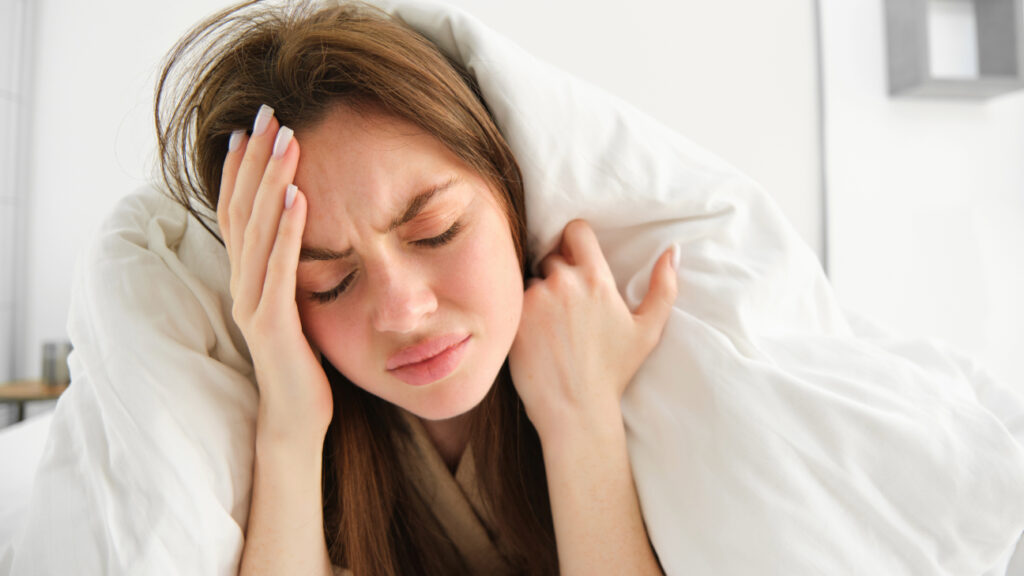
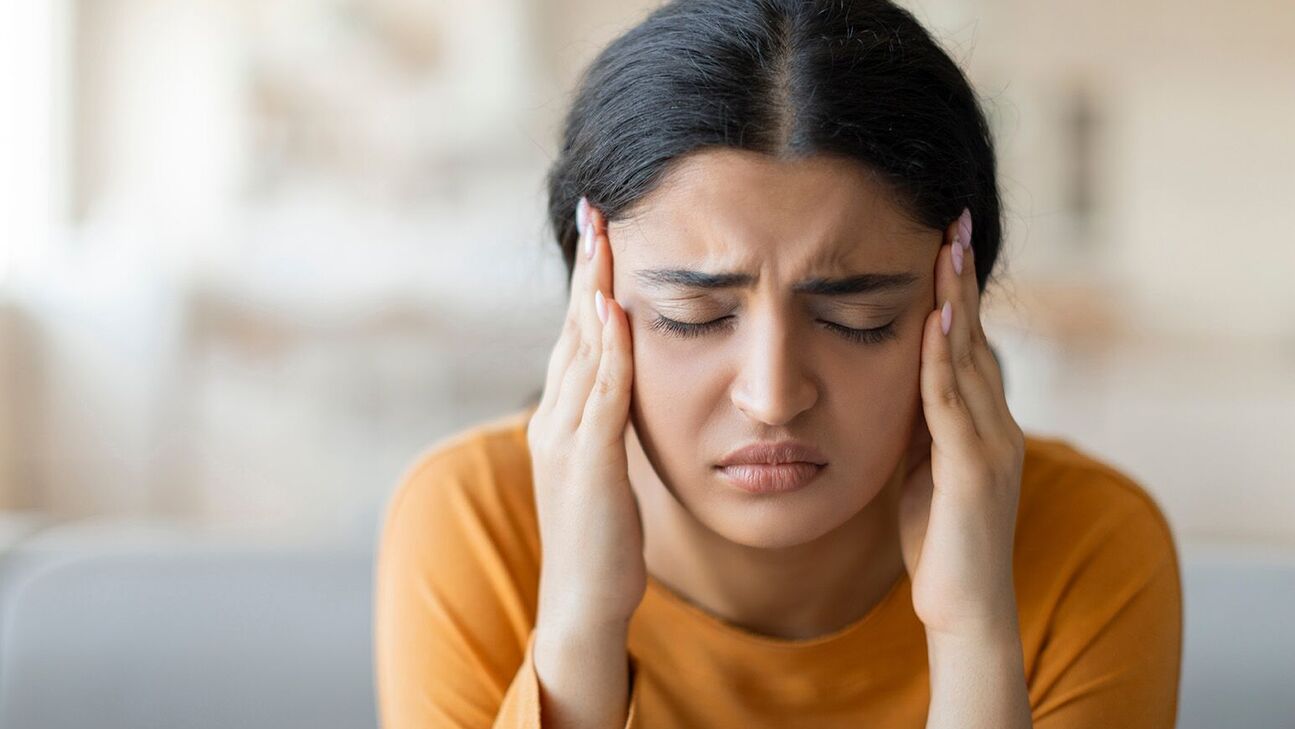
Go to source ) are a type of headache that affects millions of people around the world. They are characterized by a throbbing pain on one side of the head, which can be accompanied by other symptoms such as nausea, sensitivity to light and sound, and visual disturbances. In this post, we will discuss the causes, symptoms, and treatment options for migraines.
Causes of Migraines
Migraines are caused by a variety of factors, including genetics, hormonal changes, environmental triggers, and lifestyle factors. Some of the most common triggers for migraines include:
- Stress: Emotional or physical stress can trigger migraines in some people.
- Hormonal changes: Women are more likely to experience migraines during certain times of their menstrual cycle, during pregnancy, or during menopause.
- Diet: Certain foods and drinks, such as caffeine, alcohol, chocolate, and aged cheeses, can trigger migraines in some people.
- Environmental factors: Bright lights, loud noises, and strong odors can trigger migraines in some people.
- Genetics: Migraines tend to run in families, suggesting a genetic component.
Summary
Migraines have various causes like genetics, hormonal changes, environmental triggers, and lifestyle factors including stress, diet, and environmental factors.
Symptoms of Migraines
Migraines are not just a simple headache. They can be accompanied by a variety of symptoms that can be debilitating and affect daily activities. Some of the most common symptoms of migraines include:
- Throbbing pain on one side of the head (2
PubMed Central
Highly respected database from the National Institutes of Health
Go to source ): This is the most common symptom of migraines. - Nausea and vomiting: Many people experience nausea and vomiting during a migraine.
- Sensitivity to light and sound: Bright lights and loud noises can make migraines worse.
- Visual disturbances: Some people experience visual disturbances such as flashing lights or zigzag lines before a migraine.
- Fatigue: Many people feel tired and drained after a migraine.
Summary
Migraines are more than just a headache and can cause debilitating symptoms like throbbing pain, nausea, sensitivity to light and sound, and fatigue.
Diagnosis of Migraines
If you experience frequent headaches or migraines, it’s important to see a doctor for a proper diagnosis. Your doctor may perform a physical exam and ask you about your symptoms and triggers. They may also order imaging tests, such as an MRI or CT scan, to rule out other conditions.
Migraines can be treated with a combination of medication and lifestyle changes. Some of the most common treatment (3
PubMed Central
Highly respected database from the National Institutes of Health
Go to source ) options for migraines include:
- Over-the-counter pain relievers: Medications like ibuprofen and aspirin can help relieve the pain of a migraine.
- Prescription medication: Your doctor may prescribe medication specifically for migraines, such as triptans or ergotamines.
- Lifestyle changes: Avoiding triggers, getting enough sleep, and managing stress can help prevent migraines.
- Alternative therapies: Some people find relief from migraines with alternative therapies such as acupuncture, massage, or biofeedback.
- Botox injections: Botox injections can be used to prevent migraines in some people.
Summary
See a doctor for diagnosis. Migraines can be treated with medication, lifestyle changes, and alternative therapies like acupuncture or Botox.
Prevention of Migraines
Preventing migraines is often more effective than treating them. Some tips for preventing migraines include:
- Keeping a migraine diary: Tracking your migraines can help you identify triggers and avoid them.
- Avoiding triggers: If you know certain foods, drinks, or environmental factors trigger your migraines, avoid them.
- Getting enough sleep: Lack of sleep can trigger migraines in some people.
- Managing stress: Stress is a common trigger for migraines, so finding ways to manage stress can help prevent them.
- Maintaining a healthy lifestyle: Eating a healthy diet, exercising regularly, and avoiding smoking and excessive alcohol consumption can help prevent migraines.
Summary
Prevent migraines by identifying triggers and avoiding them, getting enough sleep, managing stress, and maintaining a healthy lifestyle.
The Takeaway
Migraines can be a debilitating condition, but with the right treatment and prevention strategies, they can be managed effectively. If you experience frequent headaches or migraines, talk to your doctor about the best treatment options for you.