In today’s fast-paced world, convenience often takes precedence over nutrition. Ultra-processed foods have become a staple in many people’s diets due to their convenience and accessibility. However, mounting evidence suggests that these foods may be contributing to a range of health issues, including inflammatory bowel disease (IBD). In this blog post, we will explore the relationship between ultra-processed foods and IBD, shedding light on the potential risks associated with their consumption.
The Prospective Urban Rural Epidemiology (PURE) study, published in The BMJ, discovered that consuming ultra-processed foods elevates the likelihood of developing inflammatory bowel disease (IBD) (1
BMJ
Highly respected journal
Go to source ).
Understanding Inflammatory Bowel Disease
Before delving into the role of ultra-processed foods, it’s important to grasp what inflammatory bowel disease entails. IBD is a chronic condition characterized by inflammation of the gastrointestinal tract. The two main types of IBD are Crohn’s disease and ulcerative colitis. Symptoms can vary, but commonly include abdominal pain, diarrhea, rectal bleeding, weight loss, and fatigue. While the exact cause of IBD remains unclear, it is thought to involve a complex interplay of genetic, environmental, and immunological factors.
The Rise of Ultra-Processed Foods
Ultra-processed foods have witnessed a surge in popularity over the past few decades. These foods are typically high in added sugars, unhealthy fats, and artificial additives, while being low in essential nutrients. Examples of ultra-processed foods include fast food items, sugary drinks, packaged snacks, and ready-to-eat meals. They are often designed to be hyper-palatable, leading to overconsumption and a disruption of normal eating patterns.
The Impact of Ultra-Processed Foods on Gut Health
Emerging research has begun to shed light on how ultra-processed foods can adversely affect gut health, potentially increasing the risk of developing IBD. Several mechanisms have been proposed:
1. Altered Gut Microbiota Composition
The gut microbiota refers to the vast community of microorganisms residing in our digestive tract. It plays a crucial role in maintaining gut health and overall well-being. Consumption of ultra-processed foods has been associated with a disruption in the diversity and composition of the gut microbiota. This dysbiosis can lead to increased intestinal permeability, allowing harmful substances to enter the bloodstream and trigger an immune response, ultimately contributing to inflammation.
2. Increased Systemic Inflammation
Ultra-processed foods are often high in pro-inflammatory components, such as refined carbohydrates, trans fats, and artificial additives. Regular consumption of these foods can promote chronic low-grade inflammation throughout the body, including the gastrointestinal tract. Prolonged exposure to systemic inflammation can disrupt the delicate balance of the gut and immune system, increasing the susceptibility to developing IBD.
3. Impaired Nutrient Intake
Ultra-processed foods are typically nutrient-poor, lacking essential vitamins, minerals, and fiber. A diet lacking in these vital nutrients can compromise the integrity of the intestinal barrier and weaken the immune system’s response to inflammation. This can create an environment conducive to the development and progression of IBD.
4. Caused Heart Disease
Research has shown that consuming a diet high in processed foods can have significant negative impacts on overall health. These types of diets have been linked to an increased risk of a variety of health issues, including heart disease, high blood pressure, and diabetes. Furthermore, they have been found to contribute to a higher risk of early death (2
BMJ
Highly respected journal
Go to source ). The high levels of added sugars, sodium, and unhealthy fats in processed foods can lead to weight gain, inflammation, and other health problems. In addition, processed foods often lack the vital nutrients that are necessary for maintaining good health, such as fiber, vitamins, and minerals.
While it may be tempting to opt for processed foods due to their convenience and affordability, it is important to prioritize the long-term effects on health. Making small changes to one’s diet, such as incorporating more whole foods, can have a significant positive impact on overall health and well-being. Choosing whole grain options, fresh fruits and vegetables, and lean protein sources can provide the body with the necessary nutrients and help to reduce the risk of chronic health issues. By making thoughtful choices about the foods we consume, we can take control of our health and reduce our risk of developing preventable diseases.
Epidemiological Evidence
Various epidemiological studies have explored the association between ultra-processed food consumption and the risk of developing IBD. While more research is needed to establish a definitive causal relationship, the findings are indeed intriguing:
- A study published in the American Journal of Gastroenterology found a positive association between fast food consumption and the risk of developing Crohn’s disease. The researchers observed that individuals who consumed fast food more than twice a week had a significantly higher risk of developing the disease compared to those who rarely consumed it.
- Another study, published in the journal Gut, investigated the relationship between dietary patterns and ulcerative colitis. The researchers identified that a diet characterized by high consumption of processed and ultra-processed foods was associated with an increased risk of developing ulcerative colitis.
While these studies do not prove causality, they provide valuable insights into the potential link between ultra-processed foods and IBD.
Practical Tips for a Gut-Healthy Diet
Maintaining a gut-healthy diet is crucial for reducing the risk of developing IBD and promoting overall well-being. Here are some practical tips to consider:
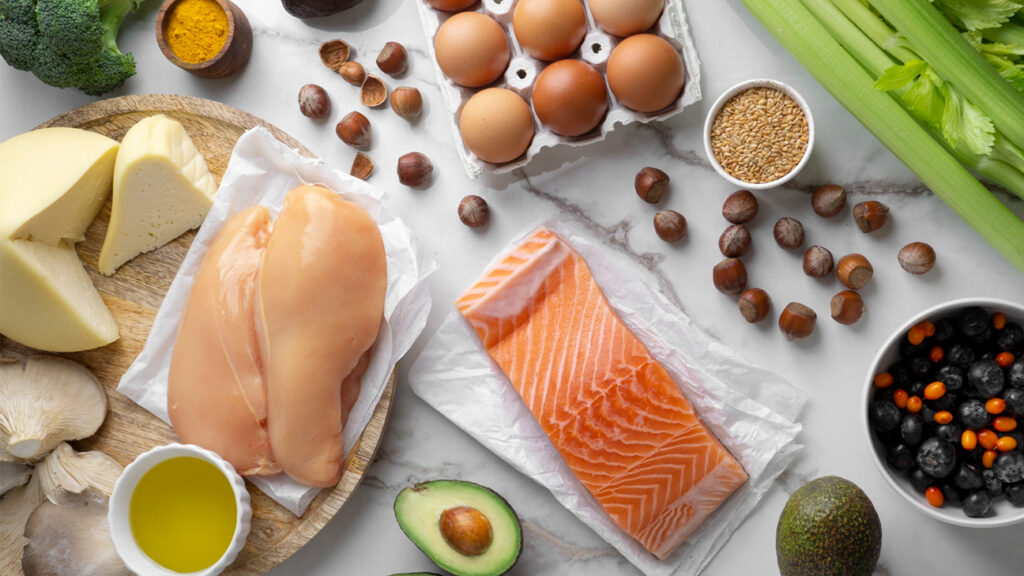
- Emphasize Whole, Unprocessed Foods: Focus on incorporating fresh fruits, vegetables, whole grains, lean proteins, and healthy fats into your diet. These foods provide essential nutrients and support a healthy gut microbiota.
- Limit Ultra-Processed Foods: Minimize your consumption of fast food, sugary drinks, packaged snacks, and ready-to-eat meals. These foods tend to be high in unhealthy additives and low in nutrients.
- Prioritize Fiber-Rich Foods: Include ample amounts of fiber in your diet through foods like legumes, whole grains, fruits, and vegetables. Fiber promotes bowel regularity and supports a diverse gut microbiota.
- Stay Hydrated: Drink an adequate amount of water throughout the day to maintain optimal hydration and facilitate healthy digestion.
- Be Mindful of Food Additives: Read food labels carefully and avoid products containing artificial additives, preservatives, and sweeteners. Opt for whole, natural ingredients whenever possible.
Conclusion
While more research is needed to fully understand the complex relationship between ultra-processed foods and inflammatory bowel disease, the available evidence suggests a potential link. Adopting a gut-healthy diet that prioritizes whole, unprocessed foods and minimizes the consumption of ultra-processed foods can be a step towards reducing the risk of developing IBD. By making informed choices about the foods we consume, we can nurture our gut health and support overall well-being. Remember, the path to a healthy life begins with the fuel we provide our bodies.