Inflammation is a natural process the body uses to protect itself from harm, such as infections and injuries. However, when inflammation becomes chronic, it can lead to a host of health problems, including heart disease, diabetes, and even cancer. Eating a diet rich in anti-inflammatory foods can help reduce chronic inflammation and improve overall health (1
PubMed Central
Highly respected database from the National Institutes of Health
Go to source ).
Here are 10 of the most anti-inflammatory foods you can eat:
1. Berries
Berries, such as strawberries, blueberries, raspberries, and blackberries, are packed with antioxidants and polyphenols that help reduce inflammation in the body (2
PubMed Central
Highly respected database from the National Institutes of Health
Go to source )
. These delicious fruits are also rich in fiber, which can help improve digestion and support overall gut health.
2. Fatty Fish
Fatty fish, such as salmon, tuna, and sardines, are high in omega-3 fatty acids, which have been shown to reduce inflammation and improve heart health. Omega-3s can also help protect against depression and other mental health disorders.
Fatty fish provide an excellent protein source, as well as being rich in the long-chain omega-3 fatty acids eicosapentaenoic acid (EPA) and docosahexaenoic acid (DHA).
EPA and DHA aid in mitigating inflammation, potentially preventing various health conditions that can arise from it, such as:
- Metabolic syndrome
- Heart disease
- Diabetes
- Kidney disease
Once metabolized by your body, these fatty acids transform into compounds known as resolvins and protectins, which possess potent anti-inflammatory properties (3
PubMed Central
Highly respected database from the National Institutes of Health
Go to source )
.
3. Leafy Greens
Leafy greens, such as kale, spinach, and collard greens, are rich in vitamins and minerals that help reduce inflammation and support overall health. These nutrient-dense vegetables are also high in fiber and low in calories, making them a great addition to any diet.
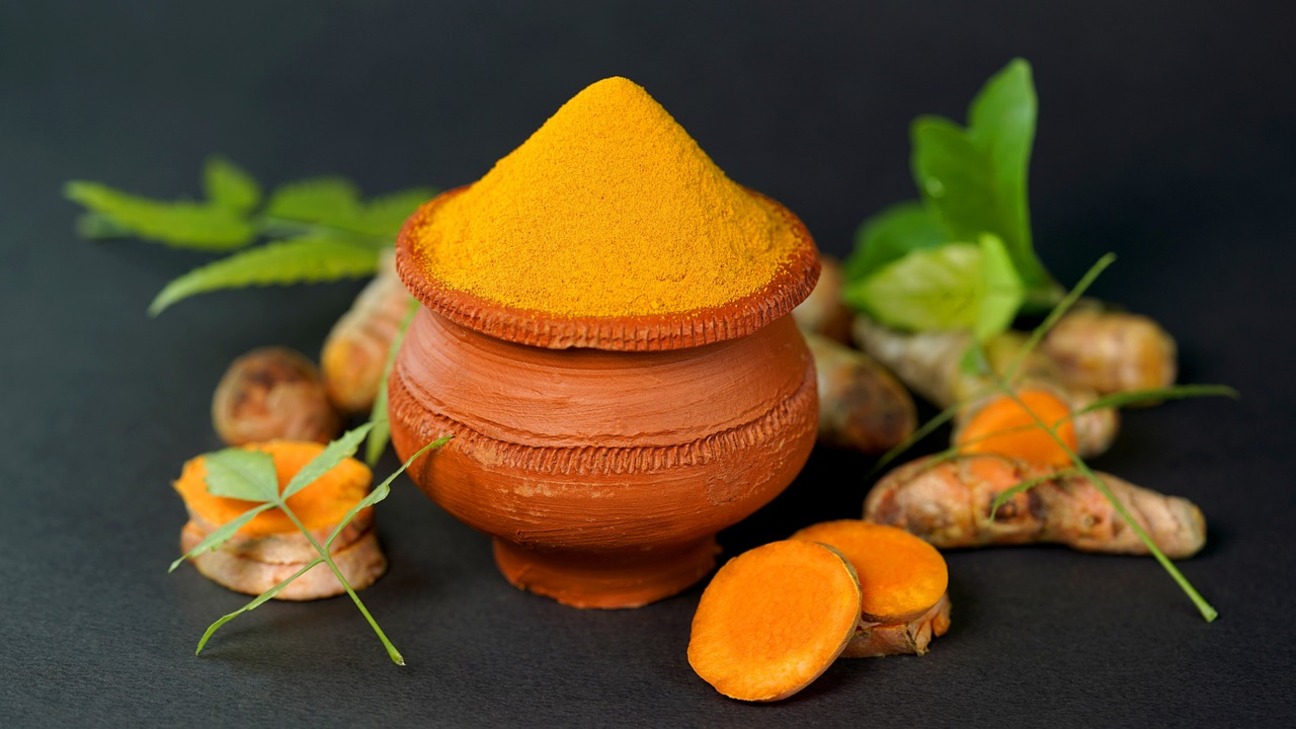
4. Turmeric
Turmeric is a spice that has been used in traditional medicine for centuries. It contains a compound called curcumin, which has powerful anti-inflammatory and antioxidant properties.
Notably, turmeric has gained significant recognition due to its high content of curcumin, a potent anti-inflammatory compound (4
PubMed Central
Highly respected database from the National Institutes of Health
Go to source )
.
Adding turmeric to your diet can help reduce inflammation and improve overall health.
5. Ginger
Ginger is another spice with powerful anti-inflammatory properties. It contains compounds called gingerols and shogaols, which have been shown to reduce inflammation and improve digestion. Adding fresh ginger to your meals or drinking ginger tea can help reduce inflammation and support overall health.
6. Nuts
Nuts, such as almonds, walnuts, and pistachios, are packed with healthy fats, fiber, and antioxidants. These nutrient-dense foods can help reduce inflammation and improve heart health. Eating a handful of nuts as a snack or adding them to salads and other dishes is an easy way to incorporate them into your diet.
7. Olive Oil
Olive oil is a healthy fat that is rich in antioxidants and anti-inflammatory compounds. It has been shown to reduce inflammation and improve heart health. Using olive oil as your primary cooking oil and adding it to salads and other dishes is a great way to incorporate it into your diet.
Research indicates that the consumption of extra virgin olive oil may potentially lower the risk of heart disease, brain cancer, obesity, and various other critical health conditions (5
PubMed Central
Highly respected database from the National Institutes of Health
Go to source )
.
8. Tomatoes
Tomatoes are a rich source of vitamin C, potassium, and lycopene, a powerful antioxidant that has been shown to reduce inflammation and improve heart health (6
PubMed Central
Highly respected database from the National Institutes of Health
Go to source )
.
Eating tomatoes raw or cooked can help reduce inflammation and improve overall health.
Tomatoes boast a rich content of vitamin C, potassium,
9. Garlic
Garlic is a pungent herb that has been used for centuries for its health benefits. It contains a compound called allicin, which has been shown to reduce inflammation and improve heart health. Adding fresh garlic to your meals or taking garlic supplements can help reduce inflammation and improve overall health.
10. Whole Grains
Whole grains, such as brown rice, quinoa, and whole wheat, are rich in fiber, vitamins, and minerals that help reduce inflammation and support overall health. These nutrient-dense foods can also help improve digestion and reduce the risk of heart disease and other chronic illnesses.
Conclusion
Incorporating these 10 anti-inflammatory foods into your diet can help reduce chronic inflammation and improve overall health. Eating a diet rich in nutrient-dense foods, such as fruits, vegetables, whole grains, and healthy fats, is key to reducing inflammation and supporting optimal health. Remember to also limit your intake of processed foods, sugary drinks, and other foods that can contribute to inflammation and chronic disease. With the right diet and lifestyle choices, you can support your body’s natural healing processes and enjoy a life of vibrant health and wellness.