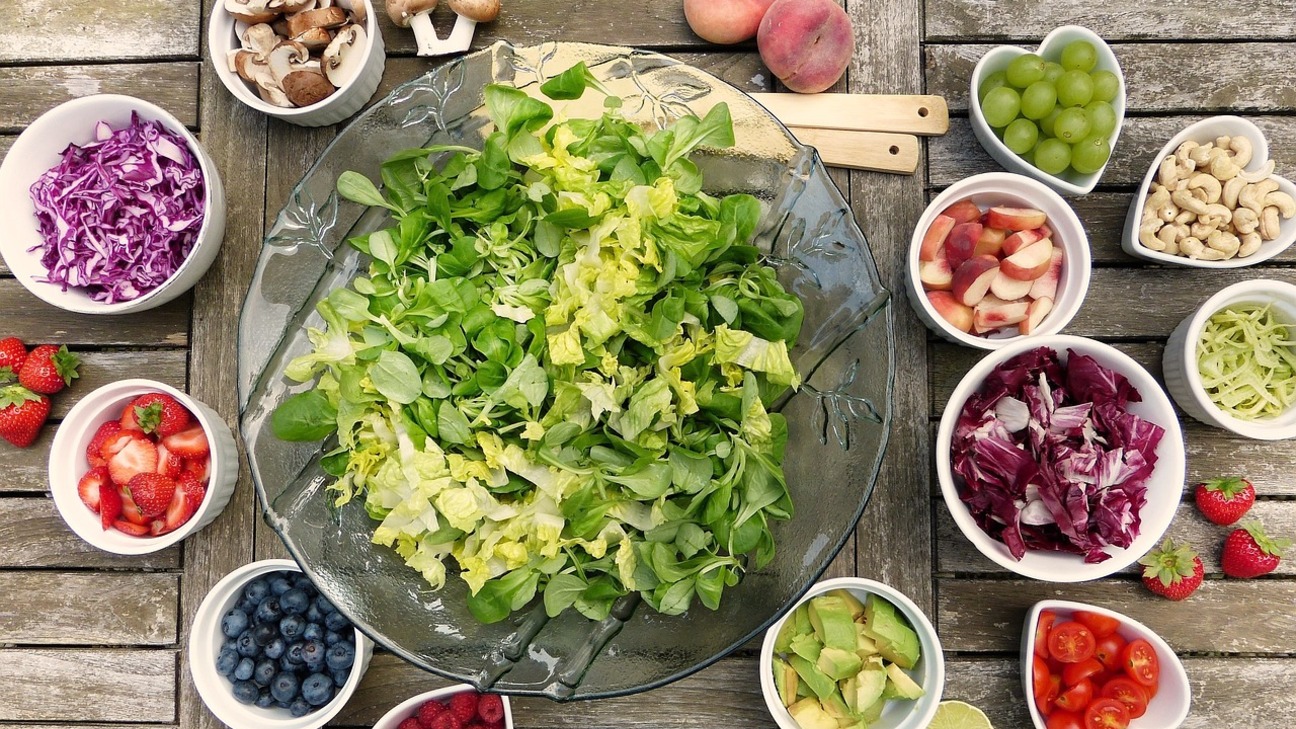
Maintaining a healthy lifestyle can be a challenge, especially when faced with a busy schedule and limited time for meal preparation. However, with the right strategy and a few staple foods in your pantry, you can make healthy eating a breeze all week long. In this blog post, we’ll explore eight essential foods that will not only simplify your meal planning but also provide you with the essential nutrients your body needs to thrive. Let’s dive in!
1. Brown Rice: The Versatile Grain
Brown rice, unlike its white counterpart, retains the bran and germ, making it a whole grain packed with fiber, vitamins, and minerals. This versatile staple can serve as a base for various dishes, from stir-fries to grain bowls. Its nutty flavor and chewy texture make it a satisfying choice for any meal. Additionally, brown rice provides a slow-release source of energy, keeping you fuller for longer and helping stabilize blood sugar levels.
2. Quinoa: The Protein Powerhouse
Quinoa has gained popularity in recent years due to its high protein content and impressive nutrient profile. This ancient grain contains all nine essential amino acids, making it a complete protein source suitable for vegetarians and vegans. Quinoa is easy to prepare and can be used as a substitute for rice or pasta in many recipes. Whether you’re looking to enhance your salads, create flavorful pilafs, or boost the protein content of your meals, quinoa is a fantastic option.
Summary
The protein powerhouse that is a versatile and nutrient-rich whole grain, providing all nine essential amino acids and serving as a great substitute for rice or pasta.
3. Leafy Greens: The Nutrient Powerhouses
Leafy greens, such as spinach, kale, and Swiss chard, are nutritional powerhouses that should feature prominently in any healthy eating plan. These vibrant greens are packed with vitamins, minerals, and antioxidants while being low in calories. They offer a myriad of health benefits, including improved digestion, reduced inflammation, and enhanced immune function. Incorporate leafy greens into your diet by adding them to salads, smoothies, or sautéing them as a side dish.
4. Beans and Legumes: The Fiber-Rich Allies
Beans and legumes, including chickpeas, black beans, and lentils, are excellent sources of plant-based protein, fiber, and essential nutrients. They can be used in a variety of dishes, including soups, stews, salads, and even as the main ingredient in veggie burgers.
A single cup of cooked beans provides a balanced nutritional profile with 12.5 grams of fiber, 14.5 grams of protein, and a mere 4 grams of fat (1
FoodData Central
Well-respected for its extensive coverage and authoritative data
Go to source ).
Moreover, these beans are rich in manganese, a mineral essential for maintaining strong bones, and folate, a B vitamin crucial for cell regeneration and DNA formation. So, not only do they offer a satisfying combination of nutrients, but they also contribute to overall well-being.
The high fiber content of beans and legumes helps regulate blood sugar levels, supports digestive health, and promotes satiety. Make a habit of keeping canned or dried beans in your pantry for a quick and nutritious addition to any meal.
5. Greek Yogurt: The Creamy Protein Boost
Greek yogurt is a creamy and versatile food that offers a plethora of health benefits. It is rich in protein, calcium, and probiotics, which promote gut health and aid in digestion. Greek yogurt can be enjoyed on its own, topped with fruits and nuts, or incorporated into smoothies, dips, and baked goods. Its tangy flavor and creamy texture make it an excellent substitute for sour cream or mayonnaise in recipes, allowing you to enjoy the taste while reducing unhealthy fats.
Summary
The creamy and protein-packed dairy delight that not only enhances gut health and aids digestion but also makes a delicious substitute for high-fat ingredients in various recipes.
6. Berries: The Antioxidant Superstars
Berries, such as blueberries, strawberries, and raspberries, are not only delicious but also incredibly nutritious. These vibrant fruits are bursting with antioxidants, vitamins, and fiber, making them a fantastic addition to any healthy eating plan. Berries have been linked to improved brain health, reduced inflammation, and enhanced heart health. Enjoy them on their own as a refreshing snack, add them to smoothies, or sprinkle them over yogurt and oatmeal for a burst of flavor and nutrition.
7. Nuts and Seeds: The Healthy Fats
Nuts and seeds, including almonds, walnuts, chia seeds, and flaxseeds, are a treasure trove of healthy fats, protein, and essential minerals. These nutrient-dense foods offer numerous health benefits, such as reducing the risk of heart disease and improving brain function. Incorporate nuts and seeds into your diet by sprinkling them over salads, adding them to homemade granola or trail mix, or enjoying them as a satisfying snack. However, keep portion sizes in mind, as they are calorie-dense.
8. Eggs: The Complete Protein Package
Eggs have long been celebrated as a nutrient-dense food, providing an excellent source of high-quality protein, vitamins, and minerals. They are incredibly versatile and can be enjoyed in various ways, including boiled, poached, scrambled, or as an ingredient in baking. Eggs are not only affordable but also offer essential nutrients like choline, which plays a crucial role in brain health. Include eggs in your weekly meal plan to add protein and flavor to your dishes while keeping you satiated.
Conclusion
Eating healthy doesn’t have to be complicated or time-consuming. By incorporating these eight staple foods into your weekly meal plan, you can simplify your cooking routine while ensuring that you’re nourishing your body with essential nutrients. Experiment with different recipes and variations using these versatile ingredients, and soon you’ll discover a world of flavorful and nutritious possibilities. Remember, small changes in your diet can have a big impact on your overall health and well-being. Here’s to a week filled with delicious and wholesome meals!