
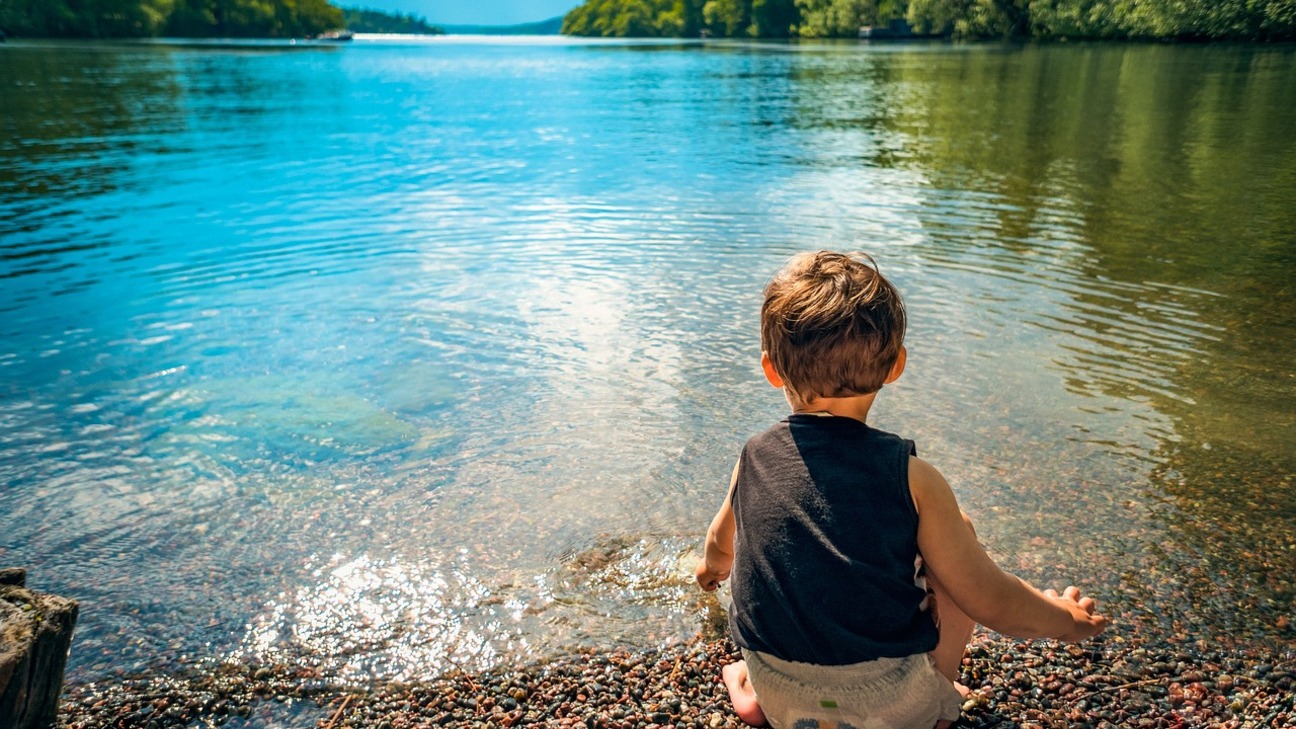
As a parent, you want the best for your children, and their mental well-being is a top priority. In today’s digital age, it’s easy for kids to get lost in screens and virtual worlds, which can have adverse effects on their mental health.
Data gathered by the Centers for Disease Control and Prevention (CDC) indicates that emergency department visits related to mental health increased significantly for children aged 5 to 11 and 12 to 17 during the period of March to October 2020, with a rise of 24% and 31%, respectively, compared to the figures from 2019 (1
PubMed Central
Governmental authorized data source
Go to source ).
However, there is a simple yet powerful solution: getting your kids outside to explore and play in nature. The great outdoors offers numerous mental health benefits that can positively impact your children’s overall well-being. In this article, we’ll explore eight compelling reasons why encouraging your kids to spend time outside is a surefire way to nurture their mental health.
1. Boosts Mood and Reduces Stress
Nature has an incredible ability to uplift spirits and promote emotional well-being. Studies have shown that spending time outdoors can trigger the release of feel-good neurotransmitters like serotonin and dopamine in the brain. These chemicals are associated with happiness and can significantly improve your child’s mood. Additionally, being in nature helps reduce the production of stress hormones like cortisol, leading to a more relaxed and content state of mind.
2. Enhances Creativity and Imagination
The natural world is a playground for imagination. Unlike structured indoor environments, the outdoors provide limitless opportunities for exploration and discovery.
Nature’s wonders, such as colorful flowers, fascinating insects, and mysterious trails, ignite your child’s creativity.
A 2021 study reported that increased exposure to woodland and green spaces was linked to better cognitive development scores in adolescents (2
Nature
Renowned scientific journal that serves as a reliable source of health-related information
Go to source ).
Whether they’re building forts, pretending to be explorers, or creating art from found objects, the outdoors fosters imaginative play that nurtures their cognitive development and emotional expression.
3. Develops Resilience and Problem-Solving Skills
Outdoor play often involves navigating through challenges like climbing trees, crossing streams, or finding their way through a forest. These experiences provide excellent opportunities for your kids to develop resilience and problem-solving skills. Overcoming obstacles in the natural environment instills a sense of accomplishment and self-confidence, teaching them that they can overcome difficulties and adapt to new situations.
4. Encourages Physical Activity
Outdoor play encourages kids to be more physically active. Whether they are running, jumping, climbing, or riding a bike, being outside provides a vast open space for them to move freely. Regular physical activity is not only essential for their physical health but also has a significant impact on their mental well-being. Exercise triggers the release of endorphins, which are natural mood lifters, helping to reduce feelings of anxiety and depression.
5. Fosters Mindfulness and Connection with Nature
Nature has a calming effect on the mind, and being outdoors allows kids to practice mindfulness effortlessly. When surrounded by natural beauty, they learn to be present in the moment, paying attention to the sights, sounds, and sensations around them. This connection with nature promotes a sense of gratitude and grounding, helping them cope with the pressures of modern life and build a deeper appreciation for the world around them.
Summary
Spending time outdoors fosters mindfulness and a deeper connection with nature, promoting gratitude and grounding in children’s lives.
6. Reduces Symptoms of Attention Deficit Hyperactivity Disorder (ADHD)
For children with ADHD, spending time in nature can be particularly beneficial. The outdoors provide a more relaxed and less stimulating environment compared to indoor spaces. Studies have shown that “green time” can significantly reduce ADHD symptoms, such as impulsivity and inattentiveness. Nature’s tranquility has a soothing effect on overstimulated minds, promoting focus and concentration.
7. Improves Social Skills and Emotional Intelligence
Outdoor play often involves interaction with other kids. Whether it’s teaming up to build a sandcastle or playing tag, these activities facilitate social bonding and the development of vital social skills. Outdoor settings also create opportunities for children to empathize with others, read emotions, and resolve conflicts, all of which contribute to emotional intelligence development.
Summary
Outdoor play facilitates social skills and emotional intelligence development in children through interactive activities with their peers.
8. Promotes Healthy Sleep Patterns
The exposure to natural light during the day has a significant impact on sleep patterns.
Regular outdoor activities help regulate your child’s internal clock, promoting better sleep at night.
Consistent, restful sleep is crucial for their mental health, as it supports memory consolidation, emotional regulation, and overall cognitive function In a separate study conducted in 2021 across 14 countries, researchers analyzed the impact of the COVID-19 pandemic on children aged 3 to 5 years old (3
PubMed Central
Highly respected database from the National Institutes of Health
Go to source ).
The study revealed that children who engaged in outdoor activities were more likely to adhere to the World Health Organization’s global health guidelines.
Conclusion
In conclusion, the great outdoors can serve as a powerful catalyst for enhancing your kids’ mental health. From boosting mood and reducing stress to fostering creativity, problem-solving skills, and emotional intelligence, the benefits of outdoor play are abundant. As a parent, encouraging your children to spend more time in nature will not only have a positive impact on their mental well-being but also create lasting memories and a deep appreciation for the world around them. So, next time you see your kids reaching for screens, consider taking them outside for a dose of nature’s therapeutic magic. Your children will thank you, and their mental health will flourish as a result.