In the quest for optimal health and well-being, we often encounter a multitude of fitness concepts and terminologies. Among these, “cardiorespiratory endurance” stands out as a cornerstone of physical fitness. Whether you’re an athlete striving for peak performance or someone seeking to improve their overall health, understanding and enhancing your cardiorespiratory endurance can pave the way to a more fulfilling and vibrant life.
According to a study conducted in 2017, individuals who possess greater cardiorespiratory endurance have a reduced risk of developing high blood pressure compared to those with lower cardiorespiratory endurance (1
PubMed Central
Highly respected database from the National Institutes of Health
Go to source ).
In this comprehensive guide, we delve into the depths of cardiorespiratory endurance, exploring its significance, benefits, training methods, and practical tips to help you master this vital aspect of fitness.
Unveiling the Essence of Cardiorespiratory Endurance
Cardiorespiratory endurance, often referred to as cardiovascular or aerobic endurance, represents the ability of your body’s circulatory and respiratory systems to efficiently supply oxygen and nutrients to working muscles during prolonged physical activity. In simpler terms, it measures how well your heart, lungs, and blood vessels collaborate to provide sustained energy for your body’s activities.
Why Does Cardiorespiratory Endurance Matter?
Cardiorespiratory endurance isn’t just about excelling in sports; it’s a fundamental component of overall health. A strong cardiorespiratory system contributes to improved:
- Heart Health: Regular cardiovascular exercise strengthens the heart muscle, enhancing its ability to pump blood effectively and reducing the risk of heart-related diseases.
- Lung Function: Engaging in activities that challenge your respiratory system improves lung capacity and efficiency, promoting better oxygen exchange.
- Metabolism: Cardiovascular exercise boosts metabolism, aiding in weight management and promoting efficient energy utilization.
- Endurance and Stamina: Enhanced cardiorespiratory endurance translates to greater stamina, allowing you to engage in daily tasks and physical activities with ease.
- Cognitive Function: Aerobic exercise has been linked to improved cognitive function and a reduced risk of cognitive decline.
The Fountain of Benefits: What Cardiorespiratory Endurance Offers
Embracing a lifestyle that nurtures cardiorespiratory endurance leads to a cascade of benefits that extend beyond physical fitness:
1. Improved Energy Levels
Regular cardiovascular workouts enhance blood circulation, ensuring that oxygen and nutrients reach your muscles more efficiently. This results in increased energy levels and reduced feelings of fatigue in your daily life.
2. Stress Reduction
Engaging in aerobic exercise triggers the release of endorphins, often referred to as “feel-good” hormones. These chemicals help alleviate stress and boost your mood, contributing to better mental well-being.
3. Enhanced Weight Management
Cardiorespiratory workouts are a potent tool for burning calories. When combined with a balanced diet, these exercises support weight loss and weight maintenance efforts.
4. Heart Health
A strong cardiovascular system reduces the risk of heart diseases, including hypertension, coronary artery disease, and heart attacks. Regular aerobic exercise keeps your heart muscle in top shape and supports healthy blood pressure levels.
5. Longevity
Research suggests a strong correlation between cardiorespiratory fitness and longevity. Prioritizing endurance workouts may add years to your life while ensuring a higher quality of life as you age.
6. Mental Clarity and Focus
The improved blood flow and oxygen supply resulting from cardiorespiratory exercise have a positive impact on brain function. You may experience sharper focus, better memory, and enhanced cognitive abilities.
Lacing Up: Strategies to Enhance Your Cardiorespiratory Endurance
Now that we’ve established the significance of cardiorespiratory endurance, let’s explore actionable steps to elevate your fitness levels and embrace a healthier lifestyle.
1. Consultation and Assessment
Before embarking on any new exercise regimen, it’s wise to consult a healthcare professional. They can assess your current fitness level, identify any underlying health issues, and provide tailored recommendations for a safe and effective fitness plan.
2. Choose Your Cardiovascular Activities
Cardiorespiratory endurance can be improved through a variety of aerobic exercises, including:
- Running: Whether on a treadmill or outdoors, running is a classic way to boost endurance and improve cardiovascular health.
- Cycling: Indoor or outdoor cycling provides a low-impact yet highly effective cardiovascular workout.
- Swimming: The resistance of water adds an extra challenge, making swimming a full-body cardio option.
- Dancing: Dance-based workouts like Zumba and aerobics offer a fun and engaging way to improve endurance.
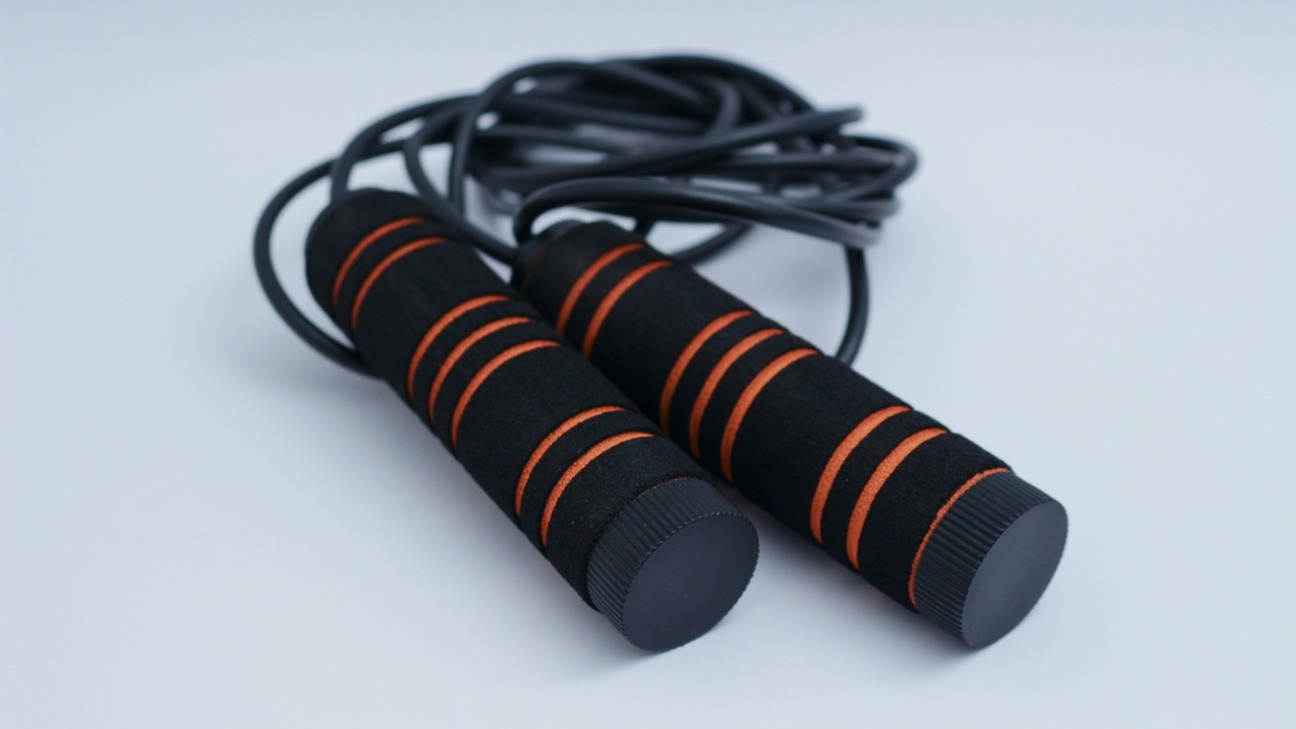
- Jump Rope: This simple yet effective exercise can be done virtually anywhere and is excellent for heart health.
3. Frequency, Intensity, and Duration
A well-rounded cardiorespiratory fitness plan should encompass the FIT principle:
- Frequency: Aim for at least 150 minutes of moderate-intensity aerobic exercise or 75 minutes of vigorous-intensity aerobic exercise per week.
- Intensity: Find a balance between moderate and vigorous workouts. Moderate intensity should elevate your heart rate and cause a noticeable increase in breathing, while vigorous intensity will lead to a more substantial increase in both.
- Duration: Gradually increase your workout duration over time. Beginners may start with shorter sessions and gradually work up to longer periods.
4. Incorporate High-Intensity Interval Training (HIIT)
HIIT involves alternating between short bursts of high-intensity exercise and periods of lower-intensity recovery or rest. This approach has been shown to effectively improve cardiovascular fitness and burn calories in a shorter amount of time.
5. Listen to Your Body
While pushing your limits is essential for progress, it’s equally important to respect your body’s signals. If you experience dizziness, shortness of breath, or discomfort during exercise, stop and seek medical attention if needed.
6. Warm-Up and Cool Down
Always begin your cardiorespiratory workouts with a proper warm-up to prepare your muscles and cardiovascular system. Similarly, conclude each session with a cool-down to gradually lower your heart rate and prevent dizziness.
7. Stay Hydrated and Maintain a Balanced Diet
Proper hydration supports cardiovascular function and helps you perform at your best. Additionally, fuel your body with a balanced diet rich in nutrients to support your energy needs and recovery.
8. Monitor Your Progress
Keep a workout journal or use fitness tracking apps to monitor your progress. Tracking metrics such as distance, time, heart rate, and perceived exertion can help you stay motivated and make informed adjustments to your routine.
Embracing Cardiorespiratory Endurance as a Lifestyle
Achieving and maintaining cardiorespiratory endurance is a journey that requires dedication, consistency, and a long-term perspective. As you weave this vital component of fitness into your lifestyle, remember that small, sustainable changes can yield significant results over time.
Conclusion
Cardiorespiratory endurance isn’t a mere fitness metric; it’s a testament to your body’s ability to thrive. By nurturing your cardiovascular and respiratory systems through purposeful exercise, you’re investing in a life marked by vitality, longevity, and enhanced well-being. As you lace up your sneakers and embark on this transformative journey, always keep in mind that every step you take is a stride toward a healthier, happier you.