In the realm of nutrition and well-being, there are few components as essential and yet as underestimated as dietary fiber. Often overlooked in favor of trendy diets and flashy superfoods, dietary fiber quietly operates behind the scenes, playing a pivotal role in our overall health. In this comprehensive exploration, we delve into the multifaceted world of dietary fiber, uncovering its significance, sources, types, and the remarkable impact it has on various aspects of our health. From digestive wellness to disease prevention, weight management to gut microbiota, dietary fiber emerges as a true hero in the journey towards a healthier and more vibrant life.
Understanding the Basics: What is Dietary Fiber?
Dietary fiber, commonly referred to as roughage or bulk, is a type of carbohydrate found in plant-based foods. However, unlike other carbohydrates, dietary fiber isn’t fully broken down and absorbed by our bodies. Instead, it passes through the digestive system relatively intact, performing a range of invaluable functions along the way.
Types of Dietary Fiber
There are two main categories of dietary fiber: soluble and insoluble fiber. Each type possesses distinct characteristics and contributes uniquely to our health.
Soluble Fiber
Soluble fiber, as the name suggests, dissolves in water. This type of fiber forms a gel-like substance in the digestive tract, which can slow down digestion and help regulate various bodily processes.
Soluble fiber-rich foods include:
- Oats: A breakfast staple, oats are not only filling but also a great source of beta-glucans, a type of soluble fiber known for its heart-health benefits.
- Legumes: Beans, lentils, and peas are excellent sources of soluble fiber, promoting a feeling of fullness and aiding in blood sugar regulation.
- Fruits: Apples, oranges, berries, and pears are high in soluble fiber, supporting healthy cholesterol levels and promoting gut health.
Insoluble Fiber
Insoluble fiber, on the other hand, doesn’t dissolve in water. Instead, it adds bulk to stool and helps prevent constipation by speeding up the movement of food through the digestive system.
Insoluble fiber-rich foods include:
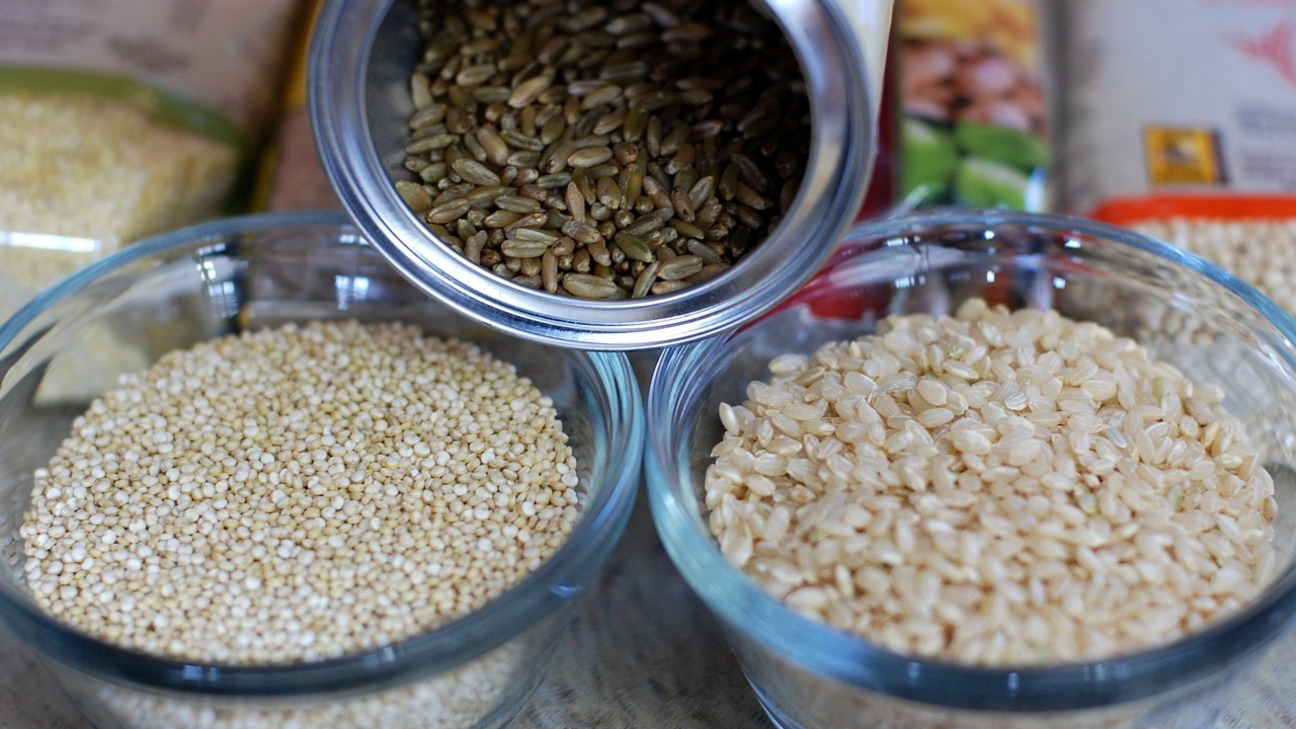
- Whole Grains: Whole wheat, brown rice, quinoa, and whole grain breads are all rich sources of insoluble fiber, promoting regular bowel movements.
- Vegetables: Leafy greens, celery, carrots, and broccoli provide a healthy dose of insoluble fiber, aiding in maintaining gut health.
The Remarkable Benefits of Dietary Fiber
Dietary fiber isn’t just a passive bystander in our digestive system – it’s an active agent that contributes to our health in numerous ways.
Digestive Health and Regularity
One of the primary benefits of dietary fiber is its role in maintaining digestive health and preventing constipation. Insoluble fiber adds bulk to stool, making it easier to pass through the intestines. Meanwhile, soluble fiber helps regulate bowel movements by absorbing water and forming a gel-like substance that softens stools. These combined effects promote regularity and prevent gastrointestinal discomfort.
Weight Management and Satiety
Struggling with weight management? Dietary fiber could be your ally. High-fiber foods are generally more filling and satisfying, helping to curb overeating and promote weight control. The slow digestion of fiber-rich foods also leads to a gradual release of nutrients and a steadier supply of energy, reducing the likelihood of sudden hunger pangs and subsequent unhealthy snacking.
Blood Sugar Regulation
For individuals with diabetes or those at risk of developing the condition, dietary fiber can be a game-changer. Soluble fiber, in particular, slows down the absorption of sugar and helps regulate blood glucose levels. This can contribute to better glycemic control and reduce the risk of blood sugar spikes.
Heart Health
The heart-protective benefits of dietary fiber are not to be underestimated. Soluble fiber actively works to lower LDL cholesterol levels by binding to cholesterol particles and eliminating them from the body. This, in turn, reduces the risk of cardiovascular diseases and promotes overall heart health (1
National Institute of Mental Health
Governmental authority
Go to source ).
Gut Microbiota and Immune Function
The gut microbiota, a complex community of microorganisms in our digestive system, plays a crucial role in our overall health. Certain types of dietary fiber, known as prebiotics, serve as nourishment for beneficial gut bacteria. By promoting the growth of these beneficial bacteria, dietary fiber contributes to a balanced gut microbiome, which, in turn, supports immune function, inflammation regulation, and even mental health.
Disease Prevention
Beyond the digestive system, dietary fiber has been linked to a reduced risk of various chronic diseases. These include colorectal cancer, due to its role in promoting healthy bowel movements and reducing exposure to potential carcinogens, as well as type 2 diabetes and heart disease, as a result of its impact on blood sugar and cholesterol levels.
Incorporating More Dietary Fiber into Your Diet
Now that we’ve established the immense benefits of dietary fiber, it’s essential to know how to integrate it into our daily lives effectively.
- Embrace Whole Foods: Whole grains, fruits, vegetables, legumes, nuts, and seeds should form the cornerstone of your diet. These natural, unprocessed foods are rich in dietary fiber, along with a myriad of other nutrients that contribute to your overall well-being.
- Read Labels Carefully: When purchasing packaged foods, pay close attention to the nutrition labels. Look for items with higher fiber content and minimal added sugars or refined flours.
- Gradual Changes: If your current diet is low in fiber, make changes gradually to avoid digestive discomfort. Rapidly increasing fiber intake can lead to bloating and gas, so give your body time to adjust.
- Hydration Matters: Adequate water intake is essential to help soluble fiber do its job effectively. Fiber absorbs water to form a gel-like substance, so staying hydrated ensures the proper functioning of this process.
- Variety is Key: To reap the benefits of different types of dietary fiber, aim for a diverse range of plant-based foods. This not only enhances the nutritional quality of your diet but also keeps your taste buds engaged.
Final Thoughts
In the grand tapestry of nutrition, dietary fiber emerges as an unsung hero, quietly championing our health from within. Its diverse array of benefits, ranging from digestive wellness and weight management to disease prevention and gut microbiota support, underscores its crucial role in promoting overall well-being. As we continue to navigate the ever-evolving landscape of health trends and dietary fads, let’s not overlook the timeless wisdom of incorporating ample dietary fiber into our diets. With each fiber-rich bite, we pave the way for a healthier, more vibrant life – one that celebrates the profound impact of this unassuming nutrient.