Inflammatory Bowel Disease (IBD) is a complex and chronic condition that affects millions of people worldwide. It encompasses various disorders, with the two most common forms being Crohn’s disease and ulcerative colitis. These conditions can significantly impact one’s quality of life, often leading to debilitating symptoms and complications. While there is no definitive cure for IBD, ongoing research suggests that dietary modifications may play a crucial role in managing its symptoms. One promising avenue of investigation is the use of soy protein.
Introduction
Inflammatory Bowel Disease is characterized by chronic inflammation of the digestive tract, leading to symptoms such as abdominal pain, diarrhea, fatigue, and malnutrition.
An estimated 3.1 million adults in the United States have been impacted by inflammatory bowel diseases (IBD), including conditions like Crohn’s disease and ulcerative colitis (1
Centers for Disease Control and Prevention
Governmental authorized data source
Go to source ).
It is widely accepted that genetics, environmental factors, and an abnormal immune response contribute to the development of IBD. However, recent studies have indicated that diet and specific nutrients might influence the course of the disease. Among these nutrients, soy protein has gained attention for its potential to alleviate symptoms and improve the quality of life for individuals with IBD.
Understanding Soy Protein
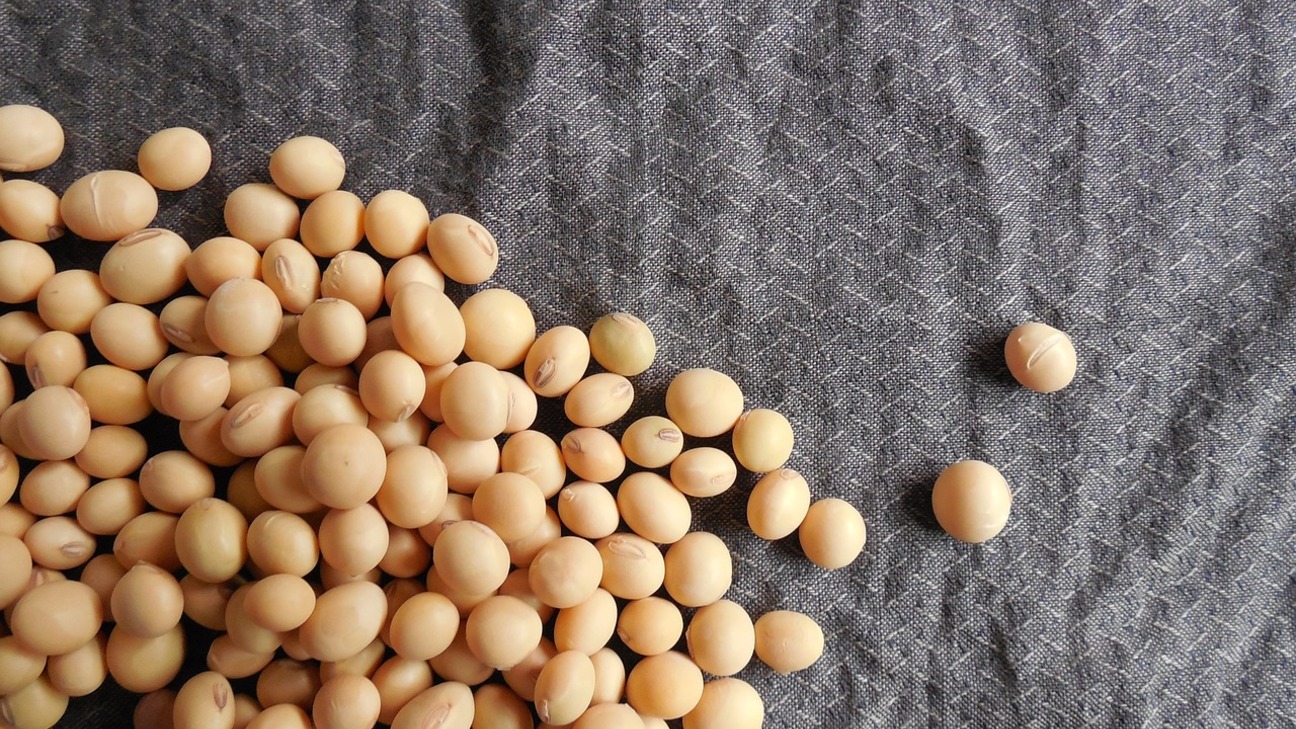
Soy protein is derived from soybeans, a legume native to East Asia that has been a staple in Asian diets for centuries. This plant-based protein is considered a complete protein source, containing all essential amino acids necessary for human health. Soy protein is renowned for its numerous health benefits, including cholesterol reduction, heart disease prevention, and weight management. Beyond these well-established advantages, recent research has suggested that soy protein may have a role in modulating the inflammatory response in the context of IBD.
The Role of Inflammation in IBD
Before delving into the potential benefits of soy protein, it’s essential to understand the role of inflammation in IBD. Inflammation is the body’s natural response to injury or infection, but in individuals with IBD, the immune system mistakenly triggers inflammation in the absence of any apparent threat. This chronic inflammation leads to tissue damage in the digestive tract, causing the hallmark symptoms of IBD.
Soy Protein and Inflammation
1. Anti-Inflammatory Properties
One of the primary reasons soy protein has gained attention in the context of IBD is its anti-inflammatory properties. Soybeans contain bioactive compounds called isoflavones, with genistein and daidzein being the most prominent. These isoflavones have been shown to exhibit anti-inflammatory effects by modulating the immune response and reducing the production of pro-inflammatory molecules.
2. Gut Microbiota and Soy Protein
The gut microbiota plays a crucial role in IBD, as imbalances in the microbial community can exacerbate inflammation. Soy protein consumption has been linked to favorable changes in gut microbiota composition. Certain soy compounds, such as oligosaccharides and isoflavones, may promote the growth of beneficial gut bacteria while inhibiting harmful pathogens, contributing to a healthier gut environment.
3. Impact on Oxidative Stress
Oxidative stress is another factor that contributes to inflammation in IBD. Soy protein contains antioxidants, which can help combat oxidative stress and reduce inflammation. Antioxidants like vitamin E and selenium in soy may protect the intestinal lining from damage caused by reactive oxygen species.
Clinical Studies and Evidence
1. Genistein and Daidzein
Numerous studies have investigated the effects of genistein and daidzein, the primary isoflavones in soy, on IBD. These compounds have shown promise in reducing inflammation and improving gut health in animal models. While more research is needed in human trials, the preliminary results are encouraging.
2. Soy Protein Supplements
Some IBD patients have incorporated soy protein supplements into their diets with positive outcomes. These supplements provide a convenient way to increase soy protein intake and assess its impact on IBD symptoms. However, it’s essential to consult with a healthcare professional before adding any new supplements to one’s diet, as individual responses can vary.
3. Balanced Diet Approach
It’s important to note that while soy protein may offer benefits in managing IBD symptoms, it should not be viewed as a standalone solution. A holistic approach to nutrition, including a well-balanced diet rich in a variety of nutrients, is crucial for individuals with IBD. Consulting with a registered dietitian can help create a personalized nutrition plan tailored to the specific needs of each patient.
Summary
Clinical studies and evidence suggest that isoflavones in soy, particularly genistein and daidzein, have shown promise in reducing inflammation and improving gut health in animal models of Inflammatory Bowel Disease (IBD), although further human trials are needed to confirm these potential benefits.
Potential Considerations and Precautions
While soy protein shows promise in alleviating IBD symptoms, there are some important considerations and precautions to keep in mind:
1. Individual Variability
Responses to soy protein can vary significantly among individuals with IBD. Some may experience symptom improvement, while others may not notice any changes or even experience adverse effects. It’s essential to monitor one’s response to soy protein and consult with a healthcare provider for guidance.
2. Allergies and Sensitivities
Soy allergies are relatively common, and some individuals with IBD may have soy sensitivities. It’s crucial to be aware of any allergies or sensitivities and choose soy-based products accordingly. In cases of soy allergy or sensitivity, alternative protein sources should be considered.
3. Medication Interactions
Individuals with IBD often take medications to manage their condition. It’s essential to consult with a healthcare provider to ensure that soy protein consumption does not interact with prescribed medications or affect their efficacy.
Incorporating Soy Protein into Your Diet
For those interested in exploring the potential benefits of soy protein in managing IBD, here are some practical tips on incorporating it into your diet:
- Soy-Based Foods: Include soy-based foods like tofu, tempeh, edamame, and soy milk in your meals. These can be used as meat substitutes or added to salads and stir-fries.
- Soy Protein Supplements: Consider consulting with a healthcare provider or registered dietitian about incorporating soy protein supplements into your diet, if appropriate.
- Recipe Modifications: Modify your favorite recipes by substituting meat with soy-based protein sources. Experiment with new recipes to find appealing ways to include soy in your meals.
- Monitor and Adjust: Keep a food diary to track your dietary changes and symptoms. This can help you identify any patterns or improvements related to soy protein consumption.
Conclusion
Inflammatory Bowel Disease is a complex condition that requires a multifaceted approach to management. While there is no one-size-fits-all solution, the potential benefits of soy protein in alleviating IBD symptoms are promising. Its anti-inflammatory properties, impact on gut microbiota, and antioxidant content make it a valuable addition to the diets of some individuals with IBD.
However, it’s essential to approach dietary changes with caution and under the guidance of a healthcare provider or registered dietitian. Additionally, soy protein should be just one component of a balanced and personalized nutrition plan for managing IBD. As research in this field continues to evolve, individuals with IBD can explore the potential benefits of soy protein while considering their unique needs and responses.
In summary, while soy protein may offer hope for some individuals with IBD, more research is needed to fully understand its impact. It is essential to consult with healthcare professionals and carefully monitor dietary changes when exploring soy protein as part of an IBD management strategy.