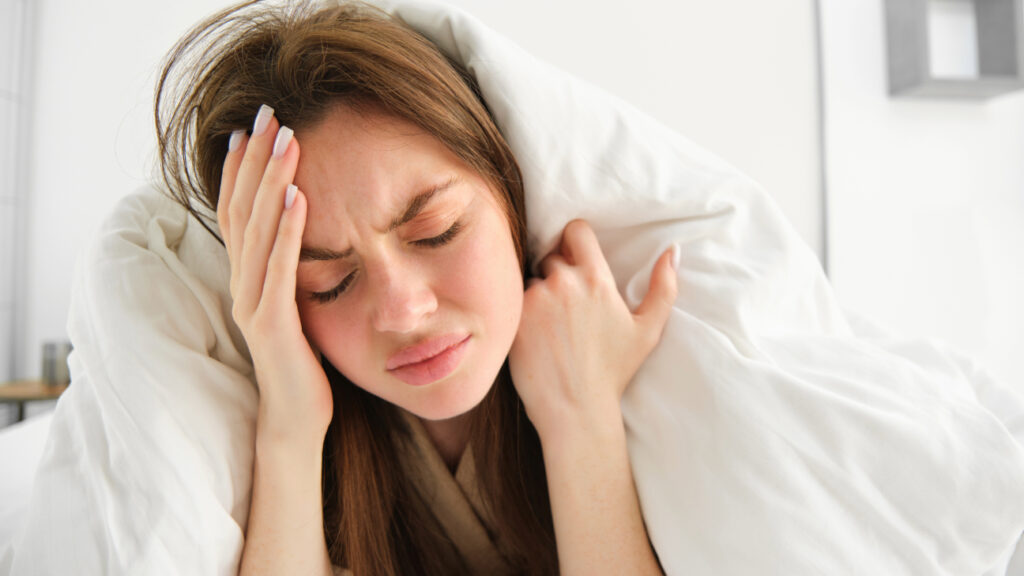
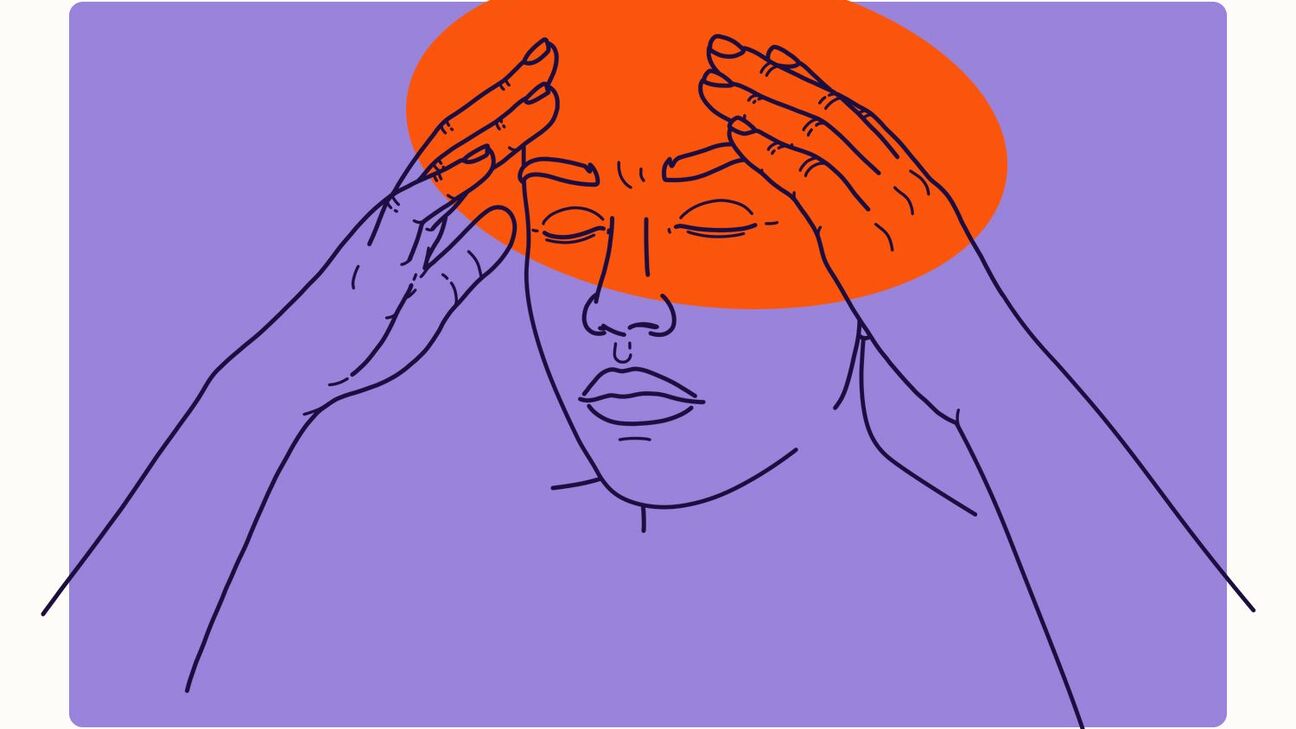
Migraines are not your average headache. They are often accompanied by a range of debilitating symptoms that can disrupt daily life. One such symptom is light sensitivity, or photophobia, which can make the pain of a migraine even more unbearable.
According to an article published in 2012, photophobia has been consistently reported as a symptom in various types of migraines, making it a crucial criterion for diagnosing the condition (1
PubMed Central
Highly respected database from the National Institutes of Health
Go to source ).
In this comprehensive blog post, we’ll delve deep into the world of migraines and light sensitivity. We’ll explore the link between the two, discuss treatment options, prevention strategies, and offer insights into how to manage this challenging condition effectively.
Understanding Migraines and Light Sensitivity
What Are Migraines?
A migraine is a severe headache that often comes with a pulsating or throbbing pain on one side of the head. While migraines can vary in intensity and duration, they are usually accompanied by other symptoms, including nausea, vomiting, and sensitivity to light and sound.
What Is Light Sensitivity?
Light sensitivity, or photophobia, is a common symptom experienced by individuals during a migraine attack. It involves an increased sensitivity to light, which can trigger or worsen the migraine pain. Understanding the mechanics of photophobia and its connection to migraines is crucial for effective management.
The Link Between Migraines and Light Sensitivity
The Neurological Connection
Migraines are rooted in the central nervous system. When triggered, the brain releases chemicals that cause blood vessels in the head to dilate and inflame, producing intense pain. This hyper-excitable neurological state also disrupts how the brain processes sensory information, causing normal light to register as painful.
Light Sensitivity as a Common Migraine Symptom
Up to 80% of migraine sufferers experience photophobia. It is not just a secondary reaction to headache pain, but an integral part of the neurological event itself.
Symptoms and Triggers
Common Migraine Symptoms
Beyond photophobia and throbbing head pain, a migraine attack commonly features:
- Aura: Visual disturbances such as flashing lights, blind spots, or zigzag lines.
- Phonophobia: Extreme sensitivity to sound.
- Osmophobia: Heightened sensitivity to specific smells.
- Gastrointestinal distress: Nausea and vomiting.
- Cognitive fatigue: Brain fog, difficulty concentrating, or mood shifts before and after the attack.
Identifying Migraine Triggers
Identifying and avoiding specific triggers can drastically reduce the frequency of attacks. Common migraine triggers include:
- Dietary factors: Aged cheeses, processed meats (nitrates), alcohol (especially red wine), artificial sweeteners, and high caffeine intake.
- Hormonal fluctuations: Estrogen drops associated with menstruation, pregnancy, or menopause.
- Environmental stimuli: Bright or flickering lights, strong odors (perfumes, smoke), and sudden weather or barometric pressure changes.
- Lifestyle factors: High stress levels, dehydration, skipped meals, and irregular sleep patterns.
Summary
The link between migraines and light sensitivity lies in the neurological processes that can cause both the severe headaches and increased sensitivity to light during migraine attacks.
Diagnosis and Treatment
Diagnosing Migraines
Proper diagnosis relies on symptom history rather than a specific blood test. Healthcare professionals evaluate the frequency, duration, and specific characteristics of the headaches—including the presence of photophobia, nausea, and aura—to rule out other conditions and correctly classify the migraine type.
Conventional Treatment Options
Acute migraine treatments aim to stop symptoms once they start. Effective options include:
- Over-the-counter (OTC) pain relievers: Ibuprofen, aspirin, or medications combining acetaminophen with caffeine.
- Triptans: Prescription medications that block pain pathways in the brain (e.g., sumatriptan, rizatriptan).
- Antiemetics: Medications prescribed specifically to manage nausea and vomiting.
Lifestyle Modifications
Daily habits heavily impact migraine frequency. Managing triggers through stable blood sugar (eating regular meals), consistent sleep schedules (practicing good sleep hygiene), and stress-reduction techniques (yoga, meditation, or deep breathing) forms the foundation of non-medical migraine management.
Alternative Therapies
Complementary treatments can provide additional relief when combined with conventional medicine. Acupuncture, chiropractic care, cognitive behavioral therapy (CBT), and targeted supplements—such as magnesium, riboflavin (Vitamin B2), and butterbur—have shown clinical efficacy in reducing migraine frequency for many patients.
Coping with Light Sensitivity During Migraines
Practical Tips for Managing Photophobia
Finding immediate relief is critical during an episode. To minimize light-induced pain:
- Retreat to a cool, dark, and quiet room at the first sign of an attack.
- Wear precision-tinted glasses (such as FL-41 lenses) designed to block the specific blue-green light wavelengths that exacerbate photophobia.
- Dim all digital screens and activate warm/blue-light filters on devices.
- Apply a cold compress or ice pack to your forehead or the back of your neck to help numb the pain and constrict blood vessels.
Creating a Migraine Toolkit
Keep a customized rapid-response kit ready at home, in your car, or at the office. Essential items include:
- FL-41 tinted migraine glasses
- Travel-sized cold packs
- Earplugs or noise-canceling headphones
- Your prescribed acute rescue medications
- A contoured blackout sleep mask
Preventing Migraines and Light Sensitivity
Lifestyle Modifications for Prevention
Proactive lifestyle management is the most effective preventive measure. Maintaining a daily migraine diary helps pinpoint specific dietary triggers or environmental factors, allowing for targeted avoidance. Regular, moderate aerobic exercise and adequate daily hydration also help stabilize the nervous system and reduce baseline stress levels.
Medication for Prevention
If migraines occur frequently (typically more than four days a month) or severely disrupt daily life, doctors may prescribe daily preventive medications. These include beta-blockers (propranolol), anti-seizure drugs (topiramate), antidepressants (amitriptyline), or newer CGRP monoclonal antibodies, all of which work to calm the brain’s overall excitability.
Living Well with Migraines
Coping Strategies and Support
Managing a chronic condition requires mental and emotional resilience. Joining local or online support groups, communicating openly with employers or teachers about the need for environmental accommodations (like replacing fluorescent bulbs or allowing natural light), and working with a specialized neurologist can significantly improve quality of life.
Conclusion
Migraines and light sensitivity are complex, interconnected conditions that require a multifaceted management approach. By identifying personal triggers, establishing a rapid-response toolkit, and working with healthcare providers on tailored treatments, individuals can regain control and minimize the impact of photophobia on their daily routines. Help and relief are available, and the right combination of strategies can make a profound difference.