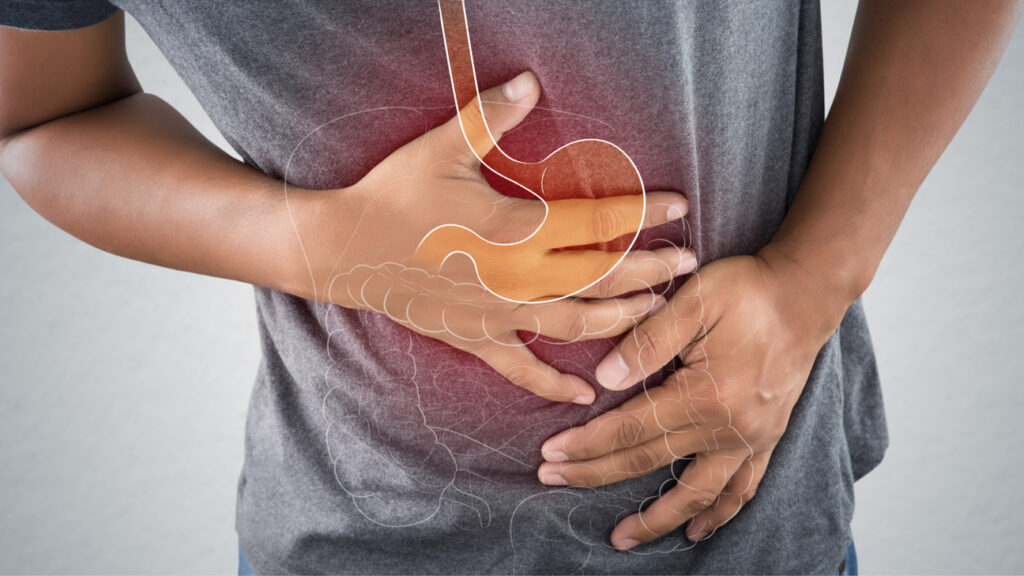
Crohn’s disease is a complex and challenging inflammatory bowel disease (IBD) that affects millions of people worldwide. It is a chronic condition that causes inflammation in the digestive tract, leading to a wide range of symptoms and complications. While Crohn’s disease shares common characteristics among those diagnosed, it is not a one-size-fits-all condition. Instead, it exists along a spectrum with distinct types and subtypes, each with its unique characteristics and management strategies.
In this comprehensive guide, we will delve into the five primary types of Crohn’s disease, exploring their clinical features, diagnostic criteria, and treatment options. Understanding the nuances of these types is essential for individuals living with Crohn’s disease, as it can greatly impact their quality of life and treatment outcomes.
1. Introduction
Crohn’s disease is a chronic inflammatory condition that primarily affects the gastrointestinal tract. It can lead to a variety of symptoms, including abdominal pain, diarrhea, fatigue, and weight loss. While it is a single disease entity, Crohn’s disease manifests differently in different individuals. The five primary types of Crohn’s disease are:
- Ileocolitis
- Ileitis
- Gastroduodenal Crohn’s Disease
- Jejunoileitis
- Crohn’s Colitis
In the following sections, we will explore each type in detail, including their clinical features, diagnostic criteria, and treatment options.
2. Crohn’s Disease: An Overview
Crohn’s disease affects approximately 201 out of every 100,000 adults, and the symptoms experienced can vary among individuals (1
PubMed Central
Highly respected database from the National Institutes of Health
Go to source ).
Before we dive into the specific types of Crohn’s disease, let’s briefly review some key aspects of the condition:
- Epidemiology: Crohn’s disease can affect individuals of any age, but it most commonly develops in young adults. It has a higher prevalence in developed countries, particularly in North America and Europe.
- Etiology: The exact cause of Crohn’s disease remains unknown, but it is believed to involve a combination of genetic, environmental, and immune system factors.
- Symptoms: Common symptoms of Crohn’s disease include abdominal pain, diarrhea, rectal bleeding, weight loss, fatigue, and fever.
- Complications: If left untreated or poorly managed, Crohn’s disease can lead to various complications, such as strictures, fistulas, abscesses, and nutritional deficiencies.
Now, let’s explore the five primary types of Crohn’s disease in greater detail.
Summary
Crohn’s disease is a multifaceted gastrointestinal disorder characterized by inflammation, impacting millions globally and necessitating a comprehensive understanding for effective management.
3. Ileocolitis
Ileocolitis is the most common type of Crohn’s disease, accounting for nearly half of all cases. This type primarily affects the end of the small intestine (ileum) and the beginning of the large intestine (colon).
Clinical Features:
- Abdominal Pain: Patients often experience crampy lower-right abdominal pain.
- Diarrhea: Frequent diarrhea is a hallmark symptom.
- Weight Loss: Chronic inflammation can lead to weight loss and malnutrition.
- Fistulas and Abscesses: Ileocolitis is associated with a higher risk of fistulas and abscesses.
Diagnostic Criteria:
- Imaging studies (e.g., CT scan, MRI) may reveal characteristic “skip lesions” in the small intestine and colon.
- Endoscopy and biopsy are often necessary to confirm the diagnosis.
Treatment:
- Medications like anti-inflammatories, immunosuppressants, and biologics can help manage symptoms.
- Surgical intervention may be necessary for complications like strictures or fistulas.
4. Ileitis
Ileitis is a subtype of Crohn’s disease that primarily affects the ileum, the last part of the small intestine. It shares some similarities with ileocolitis but is distinguished by its more localized involvement.
Clinical Features:
- Abdominal Pain: Ileitis causes abdominal pain, particularly in the lower-right quadrant.
- Diarrhea: Frequent diarrhea is common.
- Malabsorption: Patients may experience malabsorption of nutrients, leading to nutritional deficiencies.
Diagnostic Criteria:
- Imaging studies and endoscopy can identify inflammation in the ileum.
- Biopsy may be necessary for a definitive diagnosis.
Treatment:
- Medications are the primary treatment approach, aiming to reduce inflammation and manage symptoms.
- Nutritional support may be required for those with malabsorption issues.
5. Gastroduodenal Crohn’s Disease
Gastroduodenal Crohn’s Disease is a less common subtype that primarily affects the stomach and the first part of the small intestine (duodenum). This type often presents with upper gastrointestinal symptoms.
Clinical Features:
- Nausea and Vomiting: Patients may experience chronic nausea and vomiting.
- Abdominal Pain: Discomfort in the upper abdomen is common.
- Difficulty Swallowing: Strictures can make swallowing difficult.
Diagnostic Criteria:
- Upper endoscopy and biopsies can reveal inflammation in the stomach and duodenum.
- Imaging may also be used for assessment.
Treatment:
- Medications such as corticosteroids, immune modulators, and biologics can help control inflammation.
- Nutritional support may be necessary for those with difficulty eating.
Summary
Gastroduodenal Crohn’s Disease, a less common subtype of Crohn’s, predominantly affecting the upper gastrointestinal tract, presents with distinctive symptoms like chronic nausea, abdominal discomfort, and swallowing difficulties, warranting specialized diagnosis and treatment strategies.
6. Jejunoileitis
Jejunoileitis is a subtype of Crohn’s disease that primarily affects the jejunum and ileum, parts of the small intestine. This type is less common than ileocolitis but shares some similarities with it.
Clinical Features:
- Abdominal Pain: Patients often experience abdominal cramps and pain.
- Diarrhea: Frequent diarrhea is a common symptom.
- Malabsorption: Jejunoileitis can lead to malabsorption of nutrients.
Diagnostic Criteria:
- Imaging studies can identify inflammation in the small intestine.
- Endoscopy and biopsy may be necessary for confirmation.
Treatment:
- Medications are the mainstay of treatment, with the goal of reducing inflammation and managing symptoms.
- Nutritional supplementation may be required for those with malabsorption.
7. Crohn’s Colitis
Crohn’s Colitis primarily affects the colon, causing inflammation and ulceration in this part of the digestive tract. It is sometimes challenging to distinguish from ulcerative colitis, another type of IBD.
Clinical Features:
- Bloody Diarrhea: Patients often experience bloody or mucus-filled diarrhea.
- Abdominal Pain: Cramping and discomfort in the lower abdomen are common.
- Weight Loss: Chronic inflammation can lead to weight loss.
Diagnostic Criteria:
- Colonoscopy and biopsy are essential for diagnosing Crohn’s colitis.
- Imaging may also be used for assessment.
Treatment:
- Medications such as anti-inflammatories, immunosuppressants, and biologics are used to manage symptoms and reduce inflammation.
- In severe cases, surgery to remove affected portions of the colon may be necessary.
8. Conclusion
Crohn’s disease is a complex and heterogeneous condition, with different types and subtypes that affect various parts of the gastrointestinal tract. Understanding the specific type of Crohn’s disease a patient has is crucial for tailoring treatment and managing symptoms effectively. It is important to consult with a healthcare professional for an accurate diagnosis and to develop a personalized treatment plan that takes into account the type and severity of the disease.
Living with Crohn’s disease can be challenging, but with proper medical care, lifestyle adjustments, and a strong support system, individuals can lead fulfilling lives and manage their symptoms effectively. Ongoing research into the causes and treatments of Crohn’s disease offers hope for improved management and, ultimately, a cure for this complex condition.