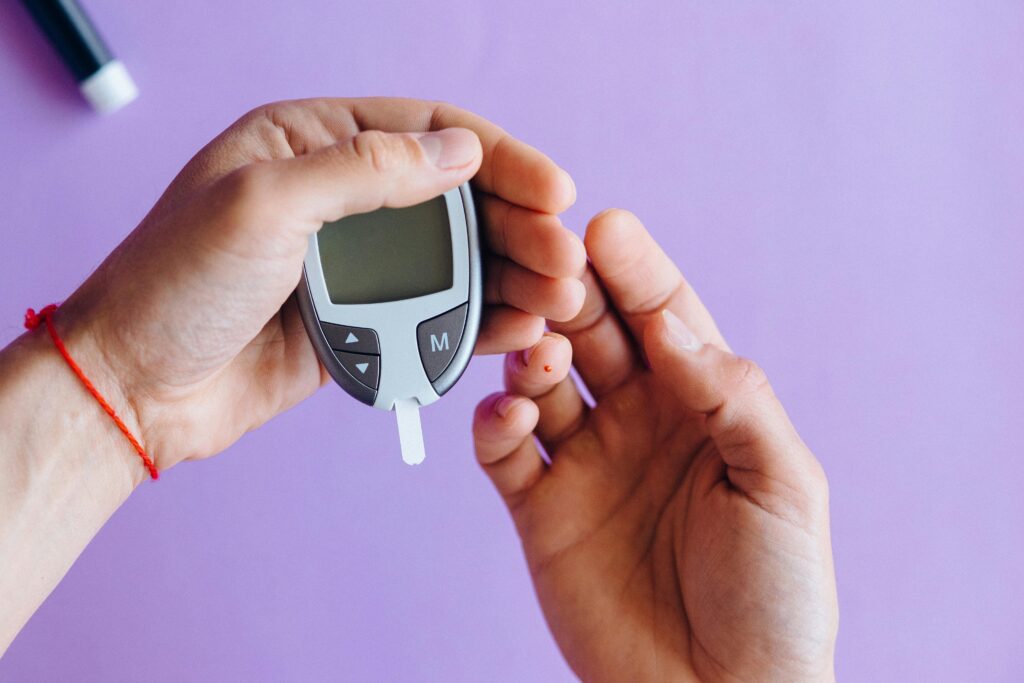
Maintaining a healthy blood glucose level is crucial for overall well-being, especially for individuals living with diabetes or at risk of developing the condition. One of the essential tools in managing blood sugar levels is the blood glucose test. In this post, we’ll explore what a blood glucose test is, how it works, and why it plays a vital role in monitoring and controlling blood sugar levels.
How to Prepare for a Blood Glucose Test
Preparing for a blood glucose test is important to ensure accurate and reliable results. Whether you’re undergoing a fasting plasma glucose (FPG) test, oral glucose tolerance test (OGTT), or any other blood glucose test, here are some general guidelines to help you prepare.
- Follow Healthcare Provider’s Instructions: It’s crucial to follow any specific instructions provided by your healthcare provider regarding the blood glucose test. They may provide tailored guidelines based on the type of test, your medical history, and any medications you’re taking. Adhering to their instructions will help ensure accurate results.
- Fasting Requirements: If you’re scheduled for a fasting blood glucose test, you’ll typically be instructed to fast for a specific period beforehand. This usually involves refraining from eating or drinking anything except water for 8 to 12 hours before the test. Be sure to clarify the fasting duration with your healthcare provider to avoid any confusion.
- Medication Adjustments: If you’re taking medications that can affect blood sugar levels, such as insulin or oral antidiabetic medications, discuss with your healthcare provider whether any adjustments are necessary before the test. In some cases, they may advise you to temporarily modify your medication schedule or dosage.
- Hydration: While fasting before a blood glucose test, it’s important to stay properly hydrated by drinking water. However, avoid consuming any other beverages, including coffee, tea, or sugary drinks, as they may interfere with the test results.
- Physical Activity and Stress: Certain activities and stress levels can affect blood glucose levels. Before the test, try to maintain your regular physical activity level and manage stress as best as you can. Vigorous exercise or high-stress situations immediately before the test may impact your blood sugar readings.
- Communicate about Special Conditions: Inform your healthcare provider if you have any special conditions that could impact the test. This can include pregnancy, recent surgery, illness, or any other factors that might influence your blood sugar levels. Providing this information ensures a more accurate interpretation of the results.
- Compliance with Dietary Restrictions: If you have any dietary restrictions or specific meal plans prescribed by your healthcare provider, make sure to adhere to them leading up to the test. Following these guidelines helps maintain consistency in blood sugar levels and supports accurate test results.
- Bring Necessary Information: On the day of the test, bring any relevant medical information, including your identification, insurance details, and a list of medications you’re currently taking. This helps streamline the administrative process and ensures that your healthcare provider has comprehensive information for accurate interpretation of the test results.
Blood Glucose Tests During Pregnancy
During pregnancy, blood glucose tests are commonly performed to monitor and manage gestational diabetes mellitus (GDM). Gestational diabetes is a temporary form of diabetes that can develop during pregnancy. Here’s what you need to know about blood glucose tests during pregnancy:
- Gestational Diabetes Screening: Typically, pregnant women are screened for gestational diabetes between 24 and 28 weeks of gestation. This screening is done regardless of whether there are any symptoms or risk factors present. In some cases, women with a higher risk may undergo screening earlier in pregnancy.
- Glucose Challenge Test (GCT): The initial screening test for gestational diabetes is called the glucose challenge test (GCT). During this test, you’ll be asked to drink a sugary solution containing a specific amount of glucose. After one hour, your blood will be drawn to measure your blood glucose level. This test helps identify women who may require further testing.
- Glucose Tolerance Test (GTT): If your GCT results are above the threshold, you’ll be asked to undergo a glucose tolerance test (GTT) for confirmation. The GTT involves fasting overnight, followed by drinking a more concentrated glucose solution. Blood samples will be taken at fasting and at one, two, and sometimes three hours after consuming the solution. These samples will be tested to determine how effectively your body processes glucose.
- Diagnosis of Gestational Diabetes: The diagnosis of gestational diabetes is based on specific blood glucose levels during the GTT. The diagnostic criteria vary depending on the guidelines followed by your healthcare provider or country. Generally, if one or more of the blood glucose levels during the GTT meets or exceeds the diagnostic thresholds, a diagnosis of gestational diabetes is made.
- Management of Gestational Diabetes: If you are diagnosed with gestational diabetes, your healthcare provider will work with you to develop a management plan. This typically involves dietary changes, physical activity recommendations, regular blood glucose monitoring, and potentially insulin or medication if necessary. Close monitoring of blood glucose levels throughout the pregnancy is important to ensure optimal maternal and fetal health.
- Postpartum Testing: After delivery, blood glucose levels usually return to normal. However, women who have had gestational diabetes are at an increased risk of developing type 2 diabetes later in life. Therefore, it is recommended to undergo postpartum testing to assess blood glucose levels and evaluate the risk of developing type 2 diabetes. Your healthcare provider will guide you on the appropriate timing and frequency of postpartum testing.
Other Conditions
Blood glucose tests are not limited to diabetes or gestational diabetes. They can also be used to diagnose and monitor other conditions related to blood sugar regulation. Here are some other conditions where blood glucose tests may be utilized:
- Type 1 Diabetes: Type 1 diabetes is an autoimmune condition in which the body’s immune system attacks and destroys the insulin-producing cells in the pancreas. Blood glucose tests, including fasting plasma glucose (FPG) and hemoglobin A1c (HbA1c) tests, are commonly used to diagnose and monitor blood sugar levels in individuals with type 1 diabetes.
- Type 2 Diabetes: Type 2 diabetes is a metabolic disorder characterized by insulin resistance and impaired insulin production. Blood glucose tests, such as fasting plasma glucose (FPG), oral glucose tolerance test (OGTT), and hemoglobin A1c (HbA1c) tests, are used for diagnosing and monitoring blood sugar levels in individuals with type 2 diabetes.
- Hypoglycemia: Hypoglycemia refers to low blood glucose levels, typically below 70 mg/dL (3.9 mmol/L). It can occur in individuals with diabetes who take insulin or certain medications. Blood glucose tests, especially when conducted during episodes of symptoms like shakiness, dizziness, or confusion, help determine if hypoglycemia is present and guide appropriate treatment.
- Insulin Resistance: Insulin resistance occurs when cells in the body become less responsive to the effects of insulin, leading to higher blood sugar levels. Blood glucose tests, such as fasting plasma glucose (FPG) and oral glucose tolerance test (OGTT), can assist in evaluating insulin resistance and identifying the risk of developing type 2 diabetes.
- Metabolic Syndrome: Metabolic syndrome is a cluster of conditions that increase the risk of heart disease, stroke, and type 2 diabetes. It includes high blood pressure, high triglyceride levels, low HDL cholesterol levels, abdominal obesity, and impaired fasting glucose or insulin resistance. Blood glucose tests, along with other diagnostic criteria, help identify metabolic syndrome and guide treatment strategies.
- Cystic Fibrosis-Related Diabetes (CFRD): Cystic fibrosis-related diabetes (CFRD) is a specific type of diabetes that occurs in individuals with cystic fibrosis (CF). Blood glucose tests, including fasting plasma glucose (FPG), oral glucose tolerance test (OGTT), and continuous glucose monitoring (CGM), are used to diagnose and monitor blood sugar levels in individuals with CFRD.
It’s important to note that the specific blood glucose tests and diagnostic criteria may vary depending on the condition and the guidelines followed by healthcare providers. Your healthcare provider will determine which tests are appropriate based on your symptoms, medical history, and individual circumstances.
Remember, blood glucose tests play a crucial role in the diagnosis, management, and monitoring of various conditions related to blood sugar regulation. Regular communication with your healthcare provider and adherence to their recommendations are essential for effective treatment and optimal health outcomes.
Risks Associated with a Blood Glucose Test
Blood glucose tests are generally considered safe and have minimal risks. However, here are a few potential risks associated with these tests:
- Discomfort: The blood sample collection process, which typically involves pricking the finger or drawing blood from a vein, may cause mild discomfort or pain. However, this is usually temporary and minimal.
- Bruising or Bleeding: In some cases, there may be slight bruising or bleeding at the site where blood is drawn. This is typically minor and resolves quickly.
- Infection: Although rare, there is a minimal risk of infection at the puncture site. Proper cleaning and disinfection protocols are followed by healthcare professionals to minimize this risk.
- Dizziness or Fainting: Some individuals may feel lightheaded or faint during or after blood collection. This is more common in those who have a fear of needles or who may be sensitive to blood-related procedures.
Frequently Asked Questions
Q: How long do I need to fast before a blood glucose test?
A: Fasting requirements vary depending on the type of test. (1
Centers for Disease Control and Prevention
Trusted online resource about health, diseases, and public health initiatives. Institutes of Health
Go to source ) Typically, for a fasting plasma glucose (FPG) test or an oral glucose tolerance test (OGTT), you will be asked to fast for at least 8 hours prior to the test. However, it’s important to follow the specific instructions provided by your healthcare provider.
Q: Can I take my medications before a blood glucose test?
A: It depends on the medication and the type of test. Some medications can affect blood glucose levels and may need to be temporarily discontinued before the test. Consult with your healthcare provider regarding which medications to take or withhold prior to the test.
Q: Are there any dietary restrictions before a blood glucose test?
A: For most blood glucose tests, you may be asked to follow certain dietary restrictions. This may include avoiding foods high in sugar or carbohydrates before the test. Your healthcare provider will provide specific instructions tailored to the type of test being conducted.
Q: How often should I get a blood glucose test if I have diabetes?
A: The frequency of blood glucose testing for individuals with diabetes may vary depending on factors such as the type of diabetes, treatment plan, and overall health. Typically, individuals with diabetes may need to monitor their blood glucose levels multiple times a day, especially if they are on insulin therapy. Your healthcare provider will guide you on the appropriate testing frequency.
Q: Can stress affect blood glucose test results?
A: Yes, stress can affect blood glucose levels. Emotional or physical stress can lead to temporary increases in blood sugar levels. It’s important to try to remain calm and relaxed before and during the blood glucose test to obtain accurate results.
Q: Are there any alternatives to finger pricking for blood glucose testing?
A: Yes, there are alternative methods for blood glucose testing, such as continuous glucose monitoring (CGM) systems. CGM systems use a small sensor inserted under the skin to measure glucose levels continuously, reducing the need for frequent finger pricks. However, it’s important to consult with your healthcare provider to determine the most suitable method for your specific needs.
Q: What should I do if my blood glucose test results are abnormal?
A: If your blood glucose test results are abnormal, it’s important to consult with your healthcare provider for further evaluation and guidance. Abnormal results may indicate the need for lifestyle modifications, medication adjustments, or additional diagnostic tests to determine the underlying cause.
Takeaway
Blood glucose tests are valuable diagnostic tools used to assess blood sugar levels and monitor various conditions related to glucose metabolism. Whether it’s gestational diabetes during pregnancy, type 1 or type 2 diabetes, or other conditions, these tests provide essential information for effective management and treatment.