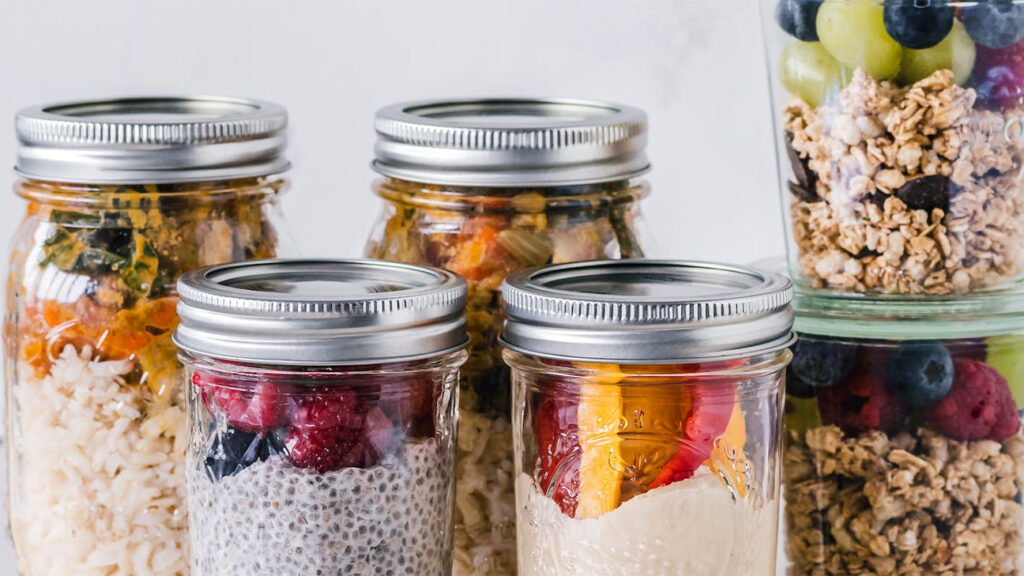
Eating healthy doesn’t have to be complicated or expensive. By incorporating some staple foods into your pantry and fridge, you can create a foundation for nutritious and delicious meals throughout the week. Here are 15 staple foods that can help you make healthy eating easy all week long:
15 Foods to Keep You Healthy
Brown Rice: A Versatile Whole Grain to Power Your Meals
Brown rice is a great staple food that can serve as a base for a variety of meals. Unlike white rice, brown rice retains the bran and germ, which means it’s richer in fiber, vitamins, and minerals. Brown rice is also a low glycemic index food, meaning it releases glucose more slowly and steadily, which can help regulate blood sugar levels and prevent energy crashes.
To cook brown rice, simply rinse it in water, then add it to a pot with twice the amount of water or broth. Bring it to a boil, then reduce the heat and simmer for 40-50 minutes, or until the rice is tender and fluffy. You can use brown rice as a side dish, a base for stir-fries or grain bowls, or even in soups or salads.
Quinoa: A Protein-Packed Grain for Your Health
Quinoa is another whole grain that’s high in protein, fiber, and essential amino acids. It’s also gluten-free, making it a great option for people with celiac disease or gluten sensitivity. Quinoa has a nutty and slightly sweet flavor that can complement a variety of dishes.
To cook quinoa, rinse it in water to remove the bitter coating, then add it to a pot with twice the amount of water or broth. Bring it to a boil, then reduce the heat and simmer for 15-20 minutes, or until the quinoa is tender and the water is absorbed. You can use quinoa as a side dish, a base for salads, or even as a protein source in veggie burgers or stuffed peppers.
Oats: A Nutritious Breakfast Staple for Your Morning Routine
Oats are a classic breakfast food that’s packed with fiber, protein, and micronutrients. Oats can help lower cholesterol, regulate digestion (1
PubMed Central
Highly respected database from the National Institutes of Health
Go to source ), and provide sustained energy throughout the morning. Oats come in different forms, including rolled oats, steel-cut oats, and instant oats, and can be cooked in various ways.
To make oatmeal, add one part oats and two parts water or milk to a pot and bring it to a simmer. Cook for 5-10 minutes, stirring occasionally, until the oats are creamy and tender. You can also add toppings like fresh or dried fruit, nuts, seeds, or spices to enhance the flavor and nutrition of your oatmeal.
Sweet Potatoes: A Colorful and Nutrient-Dense Root Vegetable
Sweet potatoes are a delicious and versatile root vegetable that’s rich in vitamins A, C, and potassium. Sweet potatoes have a naturally sweet and creamy flavor that can be enhanced by roasting, baking, or steaming. Sweet potatoes can also be used in both sweet and savory dishes.
To cook sweet potatoes, wash them and pierce them with a fork, then bake them in the oven at 400°F for 40-50 minutes, or until they’re tender. You can also cut sweet potatoes into fries or cubes and roast them with olive oil, salt, and spices for a crispy and flavorful side dish. Sweet potatoes can also be mashed, pureed, or used in baked goods like pancakes or muffins.
Leafy Greens: A Rainbow of Nutrients in Every Bite
Leafy greens are a variety of vegetables that include spinach, kale, collards, chard, and lettuce. Leafy greens are low in calories and high in fiber, vitamins, and minerals, which can support digestion, immunity, and overall health. Leafy greens also add color and texture to salads, smoothies, and cooked dishes.
To prepare leafy greens, wash them thoroughly and remove any tough stems or veins. You can eat leafy greens raw or cooked, depending on your preference. For salads, chop or tear the greens into bite-size pieces and add your favorite toppings and dressing. For cooked dishes, sauté the greens with garlic, olive oil, and spices, or add them to soups, stews, or casseroles.
Cruciferous Vegetables: A Group of Superfoods for Your Plate
Cruciferous vegetables are a family of vegetables that include broccoli, cauliflower, cabbage, Brussels sprouts, and kale. Cruciferous vegetables are rich in fiber, vitamins, and antioxidants, and have been linked to lower risks of cancer, heart disease, and inflammation. Cruciferous vegetables also have a unique flavor and texture that can add variety to your meals.
To cook cruciferous vegetables, wash them and cut them into bite-size pieces. You can steam, boil, roast, or stir-fry them depending on the recipe. For roasting, toss the vegetables with olive oil, salt, and spices and bake them in the oven at 400°F for 20-30 minutes, or until they’re crispy and tender. For stir-frying, heat a pan with oil and add the vegetables along with garlic, ginger, soy sauce, or other seasonings. Cook for a few minutes until the vegetables are crisp-tender but still bright and colorful.
Tomatoes: A Juicy and Versatile Fruit for Your Kitchen
Tomatoes are a popular fruit that can be used in a wide range of dishes, from sauces and soups to sandwiches and salads. Tomatoes are rich in vitamin C, potassium, and lycopene, which have been associated with lower risks of cancer, heart disease, and inflammation. Tomatoes come in different varieties, including cherry, grape, beefsteak, and Roma, and can be eaten raw or cooked.
To use tomatoes, wash them and cut them into slices, wedges, or cubes. You can add tomatoes to sandwiches, wraps, or burgers for extra flavor and moisture. You can also use tomatoes in sauces, stews, or curries by sautéing them with onions, garlic, and other herbs and spices. For salads, mix tomatoes with other veggies, fruits, or grains and dress them with olive oil, vinegar, or lemon juice.
Bell Peppers: A Colorful and Crunchy Addition to Your Meals
Bell peppers are a sweet and crisp vegetable that comes in different colors, such as red, yellow, green, and orange. Bell peppers are rich in vitamin C, fiber, and antioxidants, and can add both flavor and nutrition to your meals. Bell peppers can be eaten raw or cooked, and can be used in a variety of dishes.
To use bell peppers, wash them and remove the stem and seeds. You can cut bell peppers into strips, rings, or cubes and add them to stir-fries, fajitas, omelets, or salads. You can also stuff bell peppers with rice, quinoa, or meat and bake them in the oven for a hearty and healthy meal.
Onions: The Flavorful and Nutritious Base of Many Recipes
Onions are a staple ingredient in many cuisines, and for good reason. Onions are rich in antioxidants, flavonoids, and sulfur compounds, which can improve digestion, immunity, and heart health. Onions also add depth and complexity to soups, stews, sauces, and many other dishes.
To use onions, peel them and chop them into small pieces. You can sauté onions with oil or butter until they’re soft and translucent, then add other ingredients like garlic, herbs, or meat. You can also caramelize onions by cooking them over low heat for a longer time, until they’re brown and sweet. Caramelized onions can be used as a topping for burgers, sandwiches, or pizzas, or as a base for dips or spreads.
Garlic: The Pungent and Powerful Herb for Your Health
Garlic is a herb that’s been used for centuries for its medicinal and culinary properties. Garlic contains a compound called allicin, which has antibacterial, antiviral, and antifungal effects, and can also reduce inflammation, cholesterol, and blood pressure. Garlic has a strong and pungent flavor that can add depth and complexity to many dishes.
To use garlic, peel the cloves and chop them finely or crush them with a garlic press. You can add garlic to sauces, marinades, dressings, or dips, or sauté it with vegetables, meat, or pasta. You can also roast whole garlic bulbs by drizzling them with oil and wrapping them in foil, then baking them in the oven at 400°F for 30-40 minutes. Roasted garlic can be spread on bread, mashed with potatoes, or blended into soups.
Beans: The Protein-Packed Legumes for Your Health and Budget
Beans are a great source of plant-based protein, fiber, and micronutrients, and can be a budget-friendly and versatile ingredient. Beans come in different varieties, such as black beans, kidney beans, chickpeas, and lentils, and can be used in soups, stews, salads, or dips. Beans can also be a meat substitute in vegetarian or vegan meals.
To use beans, rinse them and soak them overnight to reduce cooking time and improve digestibility. You can cook beans in a pot with water or broth, along with aromatics like onion, garlic, or bay leaves. Cook them for 1-2 hours, or until they’re tender and creamy. You can also use canned beans for convenience, but make sure to rinse them to remove excess sodium and starch. Beans can be used in chili, tacos, burritos, hummus, or bean salads.
Lentils: The Quick and Nutritious Legumes for Any Meal
Lentils are a type of legume that cook faster than most beans and are a great source of protein, fiber, and iron. Lentils come in different colors, such as brown, green, red, and black, and have a mild and earthy flavor that can pair well with spices, herbs, and vegetables.
To use lentils, rinse them and add them to a pot with water or broth. Bring it to a boil, then reduce the heat and simmer for 20-30 minutes, or until the lentils are tender and the liquid is absorbed. You can use lentils in soups, stews, curries, or salads, or as a filling for veggie burgers or shepherd’s pie.
Nuts: The Crunchy and Nutrient-Dense Snacks for Your Health
Nuts are a great snack option that’s packed with healthy fats, protein, and micronutrients. Nuts come in different varieties, such as almonds, walnuts, pecans, cashews, and peanuts, and can be eaten raw or roasted. Nuts can also be used in baking, cooking, or as a topping for salads or oatmeal.
To use nuts, simply eat them as a snack or add them to your favorite dishes. You can also make nut butter by blending nuts in a food processor until smooth and creamy. Nut butter can be used as a spread for toast, fruit, or sandwiches, or as a dip for veggies or crackers.
Seeds: The Tiny and Mighty Powerhouses for Your Health
Seeds, like nuts, are a great source of healthy fats, protein, and micronutrients, and can be a convenient and tasty snack. Seeds come in different varieties, such as chia, flax, pumpkin, sunflower, and sesame, and can be added to smoothies, salads, yogurt, or oatmeal. Seeds can also be used in baking or cooking, or as a topping for bread or crackers.
To use seeds, simply eat them as a snack or add them to your favorite dishes. You can also make chia pudding by soaking chia seeds in milk or yogurt overnight, then adding toppings like fruit, nuts, or honey. Chia pudding is a great breakfast or dessert option that’s rich in fiber, protein, and omega-3 fatty acids.
Berries: The Sweet and Tart Fruits for Your Health and Taste Buds
Berries are a group of fruits that are rich in antioxidants, fiber, and vitamins, and can add color and flavor to your meals. Berries come in different varieties, such as strawberries, blueberries, raspberries, blackberries, and cranberries, and can be eaten raw or cooked. Berries can also be used in smoothies, jams, pies, or as a topping for yogurt or oatmeal.
To use berries, simply wash them and eat them as a snack or add them to your favorite dishes. You can also freeze berries for longer storage and use them in smoothies or baking. Frozen berries can also be thawed and heated with some honey or maple syrup to make a quick and healthy compote.
Takeaway
These 15 foods are all great options to include in your diet for their various health benefits and versatility in cooking. From whole grains, to vegetables, to fruits, and nuts, there are plenty of options to choose from to create delicious and nutritious meals.