

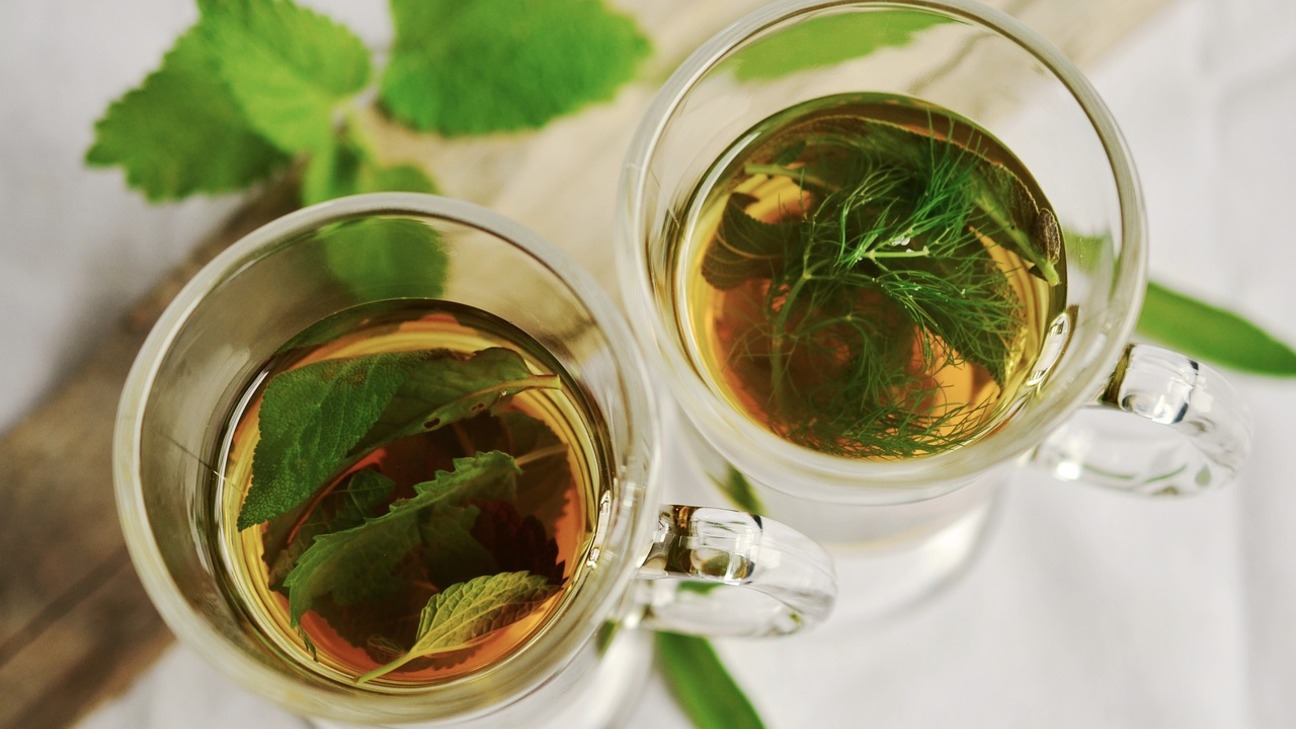
Tea has been cherished for centuries, not only for its delightful flavors but also for its potential health benefits. From boosting metabolism to promoting relaxation, the world of tea is vast and diverse. In this comprehensive exploration, we will embark on a journey through the top five teas that offer an array of health benefits. Whether you’re a seasoned tea connoisseur or just dipping your toes into the soothing world of herbal infusions, this guide is your passport to unlocking the wellness potential of tea.
1. Green Tea: The Elixir of Longevity
Green tea, renowned for its vibrant green hue and fresh, grassy flavor, has captured the hearts of health enthusiasts worldwide. Originating from China, it has a rich history dating back thousands of years and is celebrated for its numerous health benefits.
1.1 Antioxidant Powerhouse
One of the most acclaimed features of green tea is its high antioxidant content. The star player here is Epigallocatechin Gallate (EGCG), a polyphenol that’s been extensively studied for its potential to combat oxidative stress and inflammation. These antioxidants help protect our cells from damage caused by free radicals, potentially lowering the risk of chronic diseases like cancer and heart disease.
1.2 Metabolism Booster
Green tea is also believed to support weight management by boosting metabolism. The combination of caffeine and EGCG in green tea may assist in burning calories and enhancing fat oxidation, making it a valuable addition to a weight loss regimen.
1.3 Heart Health Guardian
Drinking green tea regularly has been associated with a reduced risk of heart disease. It can help lower LDL cholesterol levels and regulate blood pressure, promoting overall cardiovascular health.
1.4 Brain Benefits
Research suggests that green tea may have neuroprotective properties. It could potentially enhance cognitive function and reduce the risk of neurodegenerative diseases like Alzheimer’s and Parkinson’s (1
PubMed Central
Highly respected database from the National Institutes of Health
Go to source ).
1.5 How to Brew Green Tea for Maximum Benefits
To reap the full benefits of green tea, it’s essential to brew it properly. Here’s a simple guide:
- Water Temperature: Use water that’s around 175°F (80°C). Water that’s too hot can make the tea bitter.
- Steeping Time: Steep for about 2-3 minutes. Oversteeping can also lead to bitterness.
- Enjoy: Sip and savor the flavor. Feel free to add a slice of lemon or a touch of honey if desired.
Summary
Green tea, packed with antioxidants and EGCG, promotes overall health, boosts metabolism, and supports heart and brain health.
2. Black Tea: The Robust Refresher
Black tea, known for its deep, bold flavors, is the most widely consumed tea in the world. It originates from the Camellia sinensis plant, like green tea, but undergoes a unique fermentation process that gives it its distinctive color and taste.
2.1 Rich in Antioxidants
While not as renowned as green tea for its antioxidant content, black tea still packs a punch. It contains a range of antioxidants that can help combat free radicals, supporting overall health.
2.2 Heart Health Ally
Drinking black tea may contribute to heart health by improving cholesterol levels and reducing blood pressure. Regular consumption has been linked to a lower risk of heart disease.
2.3 Mental Clarity
Black tea contains caffeine, which can provide a moderate energy boost and enhance mental alertness. However, it generally has less caffeine than coffee, making it a milder option for those seeking stimulation.
2.4 Digestive Aid
Traditionally, black tea has been used as a digestive aid. Compounds like tannins in black tea may help soothe an upset stomach and promote healthy digestion.
2.5 Brewing Tips for a Perfect Cup of Black Tea
To enjoy a flawless cup of black tea, follow these brewing guidelines:
- Water Temperature: Use boiling water (212°F or 100°C) for black tea.
- Steeping Time: Let it steep for 3-5 minutes, depending on your taste preferences.
- Milk and Sugar: Many people enjoy black tea with milk and sugar. Experiment to find your perfect blend.
Summary
Black tea, known for its robust flavor, contributes to heart health, provides a moderate caffeine kick, aids digestion, and offers antioxidants.
3. Chamomile Tea: Nature’s Tranquilizer
Chamomile tea is renowned for its mild, apple-like flavor and its ability to induce relaxation and sleep. It’s derived from the dried flowers of the chamomile plant and has been used for centuries as a natural remedy for various ailments.
3.1 Sleep Aid
One of chamomile’s most celebrated attributes is its role as a sleep aid. It contains apigenin, an antioxidant that binds to certain receptors in the brain, promoting relaxation and improving sleep quality.
3.2 Stress Reduction
Chamomile tea is known for its calming properties. It can help alleviate stress and anxiety, making it an excellent choice for winding down after a long day.
3.3 Digestive Comfort
Chamomile tea has anti-inflammatory properties that can soothe an upset stomach, relieve indigestion, and reduce symptoms of irritable bowel syndrome (IBS).
3.4 Skin Soother
Applied topically or consumed as tea, chamomile can help soothe skin irritations, including sunburn and eczema.
3.5 Brewing the Perfect Cup of Chamomile Tea
To brew the best chamomile tea, follow these steps:
- Water Temperature: Use boiling water (212°F or 100°C).
- Steeping Time: Let it steep for 5-7 minutes to extract the full flavor and benefits.
- Enjoy: Sip slowly, allowing the calming effects to take hold.
Summary
Chamomile tea, with its calming properties and stress-relieving abilities, serves as nature’s tranquilizer, promoting relaxation and improved sleep.
4. Peppermint Tea: Nature’s Digestive Aid
Peppermint tea is celebrated for its refreshing, minty flavor and its remarkable ability to soothe digestive discomfort. It’s made from the leaves of the peppermint plant, a hybrid of watermint and spearmint.
4.1 Digestive Relief
Peppermint tea can help alleviate various digestive issues, including indigestion, bloating, and irritable bowel syndrome (IBS). It relaxes the muscles of the gastrointestinal tract, promoting smoother digestion.
4.2 Headache Relief
The menthol in peppermint has been shown to help relieve tension headaches and migraines by relaxing constricted blood vessels.
4.3 Respiratory Support
Peppermint tea’s menthol content can provide relief from respiratory issues like congestion and sinusitis. It has a natural cooling effect on the throat and nasal passages.
4.4 Caffeine-Free Energy
Unlike many other teas, peppermint tea is caffeine-free, making it an excellent choice for those seeking a natural energy boost without the stimulant effects of caffeine.
4.5 Brewing the Perfect Cup of Peppermint Tea
To brew a refreshing cup of peppermint tea, follow these simple steps:
- Water Temperature: Use boiling water (212°F or 100°C).
- Steeping Time: Allow it to steep for 5-7 minutes, or longer for a stronger flavor.
- Enjoy: Sip slowly, savoring the invigorating minty taste.
Summary
Peppermint tea, renowned for its refreshing taste, eases digestion, relieves headaches, supports respiratory health, and provides caffeine-free energy.
5. Turmeric Tea: The Golden Elixir
Turmeric tea, often referred to as “golden milk” or “turmeric latte,” is a warm and soothing beverage celebrated for its anti-inflammatory properties and unique flavor profile.
5.1 Anti-Inflammatory Powerhouse
The active compound in turmeric, curcumin, is a potent anti-inflammatory agent. Consuming turmeric tea regularly may help alleviate chronic inflammation, a common contributor to various diseases.
5.2 Joint Health
Turmeric’s anti-inflammatory properties extend to joint health. It may aid in reducing symptoms of arthritis and joint pain.
5.3 Immune Support
Turmeric is packed with antioxidants and has immune-boosting properties. Drinking turmeric tea can help strengthen the body’s defenses against infections.
5.4 Cognitive Health
Emerging research suggests that curcumin may have neuroprotective properties, potentially reducing the risk of cognitive decline and neurodegenerative diseases.
5.5 Brewing the Perfect Cup of Turmeric Tea
To brew a comforting cup of turmeric tea, follow these steps:
- Ingredients: Combine 1 teaspoon of ground turmeric, a pinch of black pepper (to enhance curcumin absorption), and your choice of milk (dairy or plant-based).
- Heat: Gently heat the mixture in a saucepan until hot but not boiling.
- Sweeten: Add honey or a sweetener of your choice to taste.
- Enjoy: Sip slowly and relish the warm, earthy flavors.
Summary
Turmeric tea, the “golden elixir,” fights inflammation, promotes joint health, boosts immunity, supports cognitive function, and offers a unique, earthy flavor.
Conclusion
Tea is more than just a beverage; it’s a pathway to wellness. Each of these five teas offers a unique set of health benefits, from antioxidant-rich green tea to the soothing powers of chamomile. By incorporating these teas into your daily routine, you can harness their potential to promote physical, mental, and emotional well-being. So, whether you’re seeking relaxation, improved digestion, or a boost in overall health, there’s a tea waiting to enhance your life—one cup at a time. Cheers to a healthier, happier you through the magic of tea!






Cool Post.