Pregnancy is a beautiful and transformative journey, but it also comes with its own set of challenges, especially in the first trimester. Morning sickness, fatigue, and hormonal changes can make life a bit of a rollercoaster during those initial weeks. Despite these challenges, maintaining a regular exercise routine can offer numerous benefits to both you and your baby. In this comprehensive guide, we’ll explore the importance of exercise during the first trimester and delve into safe and effective workouts tailored specifically for expecting mothers.
Understanding the First Trimester
Before diving into exercise recommendations, it’s essential to understand the changes that occur in your body during the first trimester. This knowledge will help you make informed decisions about your fitness routine.
1. Hormonal Changes
The first trimester is characterized by significant hormonal shifts, primarily the surge in progesterone and human chorionic gonadotropin (hCG). These hormones play a crucial role in maintaining pregnancy but can also lead to symptoms like nausea, fatigue, and breast tenderness.
2. Morning Sickness
Morning sickness, which can strike at any time of the day, is a common first-trimester symptom. It may make you hesitant to exercise, but there are ways to manage it while staying active.
3. Fatigue
Expecting mothers often experience extreme fatigue during the first trimester, which can affect their motivation to work out. However, exercise can help combat this fatigue and boost energy levels.
4. Physical Changes
Your body will begin to undergo subtle but significant changes, such as breast enlargement and pelvic adjustments, as it prepares for the growing baby. Understanding these changes is key to choosing appropriate exercises.
Summary
The first trimester of pregnancy is characterized by significant hormonal changes, morning sickness, fatigue, and subtle physical adjustments, all of which impact a woman’s experience during this initial stage of pregnancy.
Benefits of Exercise During the First Trimester
The benefits of staying active during pregnancy are numerous and well-documented. Here’s why exercising during the first trimester is a great idea:
1. Increased Energy Levels
Exercise can help combat fatigue and boost your energy levels, making daily tasks more manageable.
2. Reduced Morning Sickness
While it won’t eliminate morning sickness entirely, regular physical activity can help alleviate its symptoms.
3. Better Mood
Exercise releases endorphins, the “feel-good” hormones, which can help combat mood swings and reduce stress and anxiety.
4. Improved Sleep
Quality sleep can be elusive during pregnancy. Exercise can promote better sleep by helping you fall asleep faster and enjoy more restful slumber (1
PubMed Central
Highly respected database from the National Institutes of Health
Go to source ).
5. Enhanced Stamina
Childbirth is physically demanding, and maintaining a good level of fitness can improve your stamina and endurance for labor and delivery.
6. Weight Management
Exercise can help you manage weight gain during pregnancy, which is important for your overall health and can reduce the risk of complications.
7. Faster Postpartum Recovery
Staying active throughout pregnancy can lead to a smoother postpartum recovery, helping you regain strength and mobility more quickly.
Safe Exercises for the First Trimester
While exercise is beneficial during the first trimester, safety should be your top priority. Always consult with your healthcare provider before starting or continuing any exercise routine during pregnancy. Once you have the green light, consider these safe and effective workouts:
1. Prenatal Yoga
Prenatal yoga is a gentle, low-impact exercise that focuses on flexibility, relaxation, and breathing techniques. It can help alleviate common pregnancy discomforts and prepare your body for labor.
2. Swimming
Swimming and water aerobics are excellent choices for pregnant women. The buoyancy of the water reduces the strain on your joints while providing a full-body workout.
3. Walking
A simple yet highly effective exercise, walking is easy to incorporate into your daily routine. It’s a low-impact way to boost your energy levels and maintain cardiovascular health.
4. Low-Impact Aerobics
Low-impact aerobics classes designed for pregnant women are widely available. These classes provide a fun and safe way to get your heart rate up while keeping the impact on your joints minimal.
5. Strength Training
Strength training, using light weights or resistance bands, can help maintain muscle tone and prepare your body for the physical demands of pregnancy and labor. Focus on proper form and avoid heavy lifting.
6. Pelvic Floor Exercises
Strengthening your pelvic floor muscles is essential during pregnancy. These exercises can help prevent urinary incontinence and support the weight of your growing uterus.
7. Stationary Cycling
Using a stationary bike is a low-impact way to get your heart rate up and work your leg muscles. Just ensure that your bike is properly adjusted to accommodate your changing body.
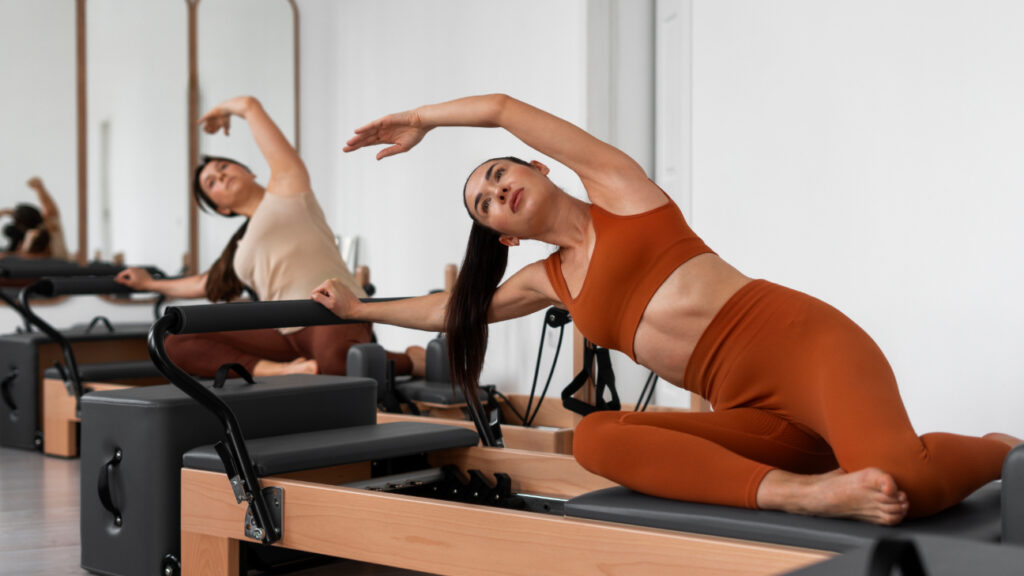
8. Prenatal Pilates
Prenatal Pilates classes focus on core strength, posture, and flexibility. These exercises can help alleviate back pain and improve balance.
9. Stretching and Relaxation
Incorporating gentle stretching and relaxation exercises into your routine can help reduce muscle tension and promote a sense of calm.
Exercise Precautions
While exercise is generally safe during the first trimester, it’s crucial to exercise caution and prioritize your safety and comfort:
1. Stay Hydrated
Dehydration can lead to complications, so be sure to drink plenty of water before, during, and after your workout.
2. Avoid Overheating
Pregnancy increases your risk of overheating, so exercise in a cool, well-ventilated environment and wear breathable clothing.
3. Listen to Your Body
Pay close attention to how your body feels during exercise. If something doesn’t feel right or causes discomfort, stop immediately.
4. Modify and Adapt
As your body changes, you may need to modify exercises or switch to more pregnancy-appropriate options. Always prioritize safety.
5. Don’t Push Too Hard
While it’s essential to stay active, this is not the time to set personal records or push yourself to the limit. Aim for maintenance, not improvement.
Conclusion
The first trimester of pregnancy is a unique and sometimes challenging time. However, with the right approach, exercise can be a valuable tool for managing symptoms, staying healthy, and preparing your body for the incredible journey ahead. Remember to consult with your healthcare provider before starting any exercise routine during pregnancy and prioritize safety and comfort throughout your fitness journey. Embrace this period of change, and trust that staying active will benefit both you and your growing baby.