Embarking on a fitness journey can be both exciting and overwhelming, especially if you’re new to working out. Whether you want to shed a few pounds, build muscle, or simply improve your overall health and well-being, incorporating exercise into your routine is essential. This comprehensive beginner’s guide will equip you with the knowledge and tools you need to kickstart your fitness journey successfully.
1. Set Your Goals
Before diving headfirst into a workout routine, it’s crucial to establish your fitness goals. Setting clear and achievable goals will help you stay motivated and track your progress. Whether your aim is to lose weight, increase strength, improve flexibility, or boost cardiovascular fitness, defining your objectives is the first step toward success.
2. Assess Your Current Fitness Level
Knowing where you stand in terms of fitness is vital in tailoring a workout program that suits your needs. Assessing your current fitness level allows you to determine your starting point and avoid overexertion or injury. Consider factors such as cardiovascular endurance, muscular strength, flexibility, and body composition. You can seek professional guidance or use self-assessment tools to get a clear picture of your baseline fitness.
3. Choose the Right Workout Routine
With countless workout options available, finding the right routine can be overwhelming. It’s essential to select a program that aligns with your goals, preferences, and lifestyle. Some popular workout options for beginners include:
- Strength Training: Incorporating weightlifting or bodyweight exercises to build strength and lean muscle mass.
- Cardiovascular Exercise: Engaging in activities like running, cycling, or swimming to improve heart health and burn calories.
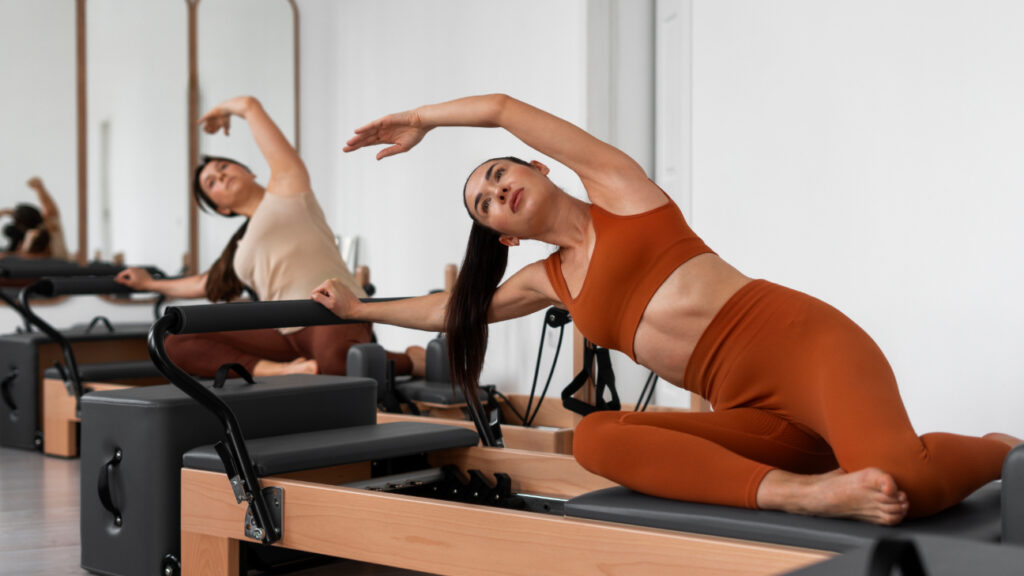
- Flexibility Training: Practicing activities such as yoga or Pilates to enhance range of motion and joint flexibility.
- Group Fitness Classes: Joining classes like Zumba, spinning, or kickboxing for a fun and motivating workout experience.
- Functional Training: Participating in exercises that mimic real-life movements to improve overall functional fitness.
Remember, it’s important to start slowly and gradually increase the intensity and duration of your workouts to avoid burnout or injuries.
Summary
Select a workout program that aligns with your goals, preferences, and lifestyle, such as strength training, cardiovascular exercise, flexibility training, group fitness classes, or functional training.
4. Warm Up and Cool Down Properly
Proper warm-up and cool-down routines are often overlooked but are crucial for injury prevention and optimal performance. Before starting any workout, spend 5-10 minutes performing light cardiovascular exercises such as jogging or jumping jacks to increase blood flow and raise your body temperature. After completing your workout, allocate a few minutes to cool down by stretching major muscle groups to prevent muscle stiffness and soreness (1
PubMed Central
Highly respected database from the National Institutes of Health
Go to source ).
5. Incorporate Strength Training
Strength training plays a vital role in any well-rounded fitness routine. Contrary to popular belief, lifting weights won’t make you bulky; instead, it helps build lean muscle mass, increases metabolism, and enhances overall strength and endurance. Start with basic exercises that target major muscle groups, such as squats, lunges, push-ups, and dumbbell rows. Focus on proper form and gradually increase the weight and intensity as you progress.
Summary
Start with basic exercises that target major muscle groups, focusing on proper form and gradually increasing weight and intensity to build lean muscle mass, increase metabolism, and enhance overall strength and endurance.
6. Include Cardiovascular Exercise
Cardiovascular exercise is essential for improving heart health, burning calories, and boosting overall fitness. Engage in activities that elevate your heart rate, such as running, cycling, swimming, or brisk walking. Aim for at least 150 minutes of moderate-intensity cardio or 75 minutes of vigorous-intensity cardio per week. You can divide your sessions into shorter bouts throughout the day if needed.
7. Prioritize Recovery and Rest Days
Allowing your body sufficient time to recover and repair is crucial for avoiding injuries and achieving optimal results. Schedule regular rest days throughout the week, especially when starting out. Listen to your body’s cues and don’t hesitate to take additional rest days if you feel excessively fatigued or experience prolonged muscle soreness. Adequate sleep, hydration, and a balanced diet also play vital roles in the recovery process.
8. Focus on Proper Nutrition
Exercise alone cannot guarantee optimal results. Fueling your body with proper nutrition is equally important. Aim for a balanced diet rich in fruits, vegetables, lean proteins, whole grains, and healthy fats. Stay hydrated by drinking plenty of water throughout the day. If necessary, consult a registered dietitian or nutritionist to help you develop a meal plan that supports your fitness goals.
9. Track Your Progress
Monitoring your progress is key to staying motivated and making necessary adjustments to your workout routine. Keep a fitness journal or use smartphone apps to track your workouts, record your weight and body measurements, and take progress photos. Celebrate your achievements, no matter how small, and use any setbacks as learning opportunities to refine your approach.
10. Seek Professional Guidance
If you’re uncertain about designing your workout routine or need personalized guidance, consider consulting a certified personal trainer. They can assess your specific needs, provide expert advice, and create a tailored program to help you reach your goals safely and effectively.
Conclusion
Embarking on a fitness journey as a beginner can be a rewarding and transformative experience. By setting clear goals, choosing the right workout routine, prioritizing proper warm-up and cool-down, and focusing on nutrition and recovery, you’ll lay a strong foundation for long-term success. Remember, progress takes time, so be patient, stay consistent, and enjoy the process. With dedication and perseverance, you’ll achieve the fitness and health goals you desire.