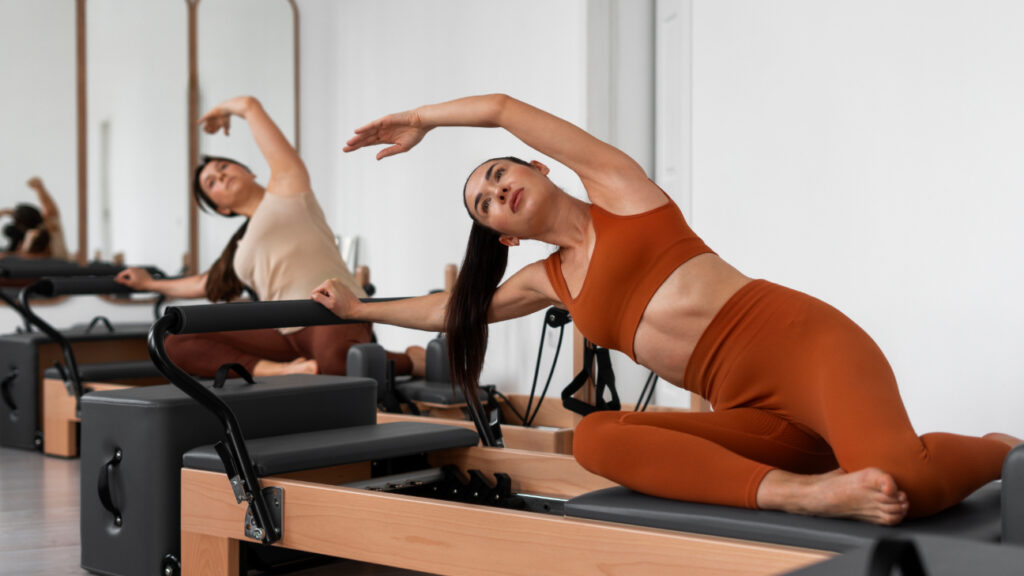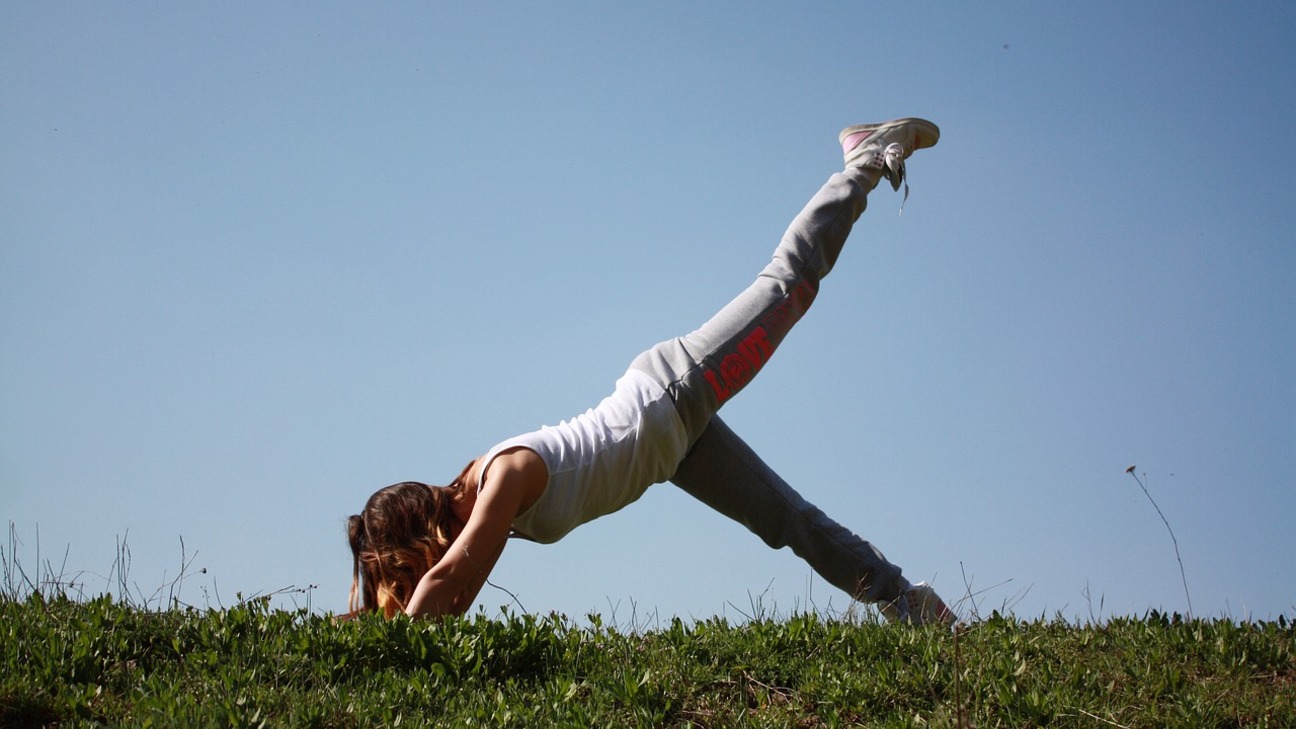
Welcome to a world of holistic fitness and well-being – the realm of Pilates! Originally developed by Joseph Pilates in the early 20th century, this innovative exercise system has evolved into a widely practiced discipline, encompassing a myriad of benefits that go beyond just physical fitness. With a focus on breathing, core strength, flexibility, and alignment, Pilates has captivated the hearts of fitness enthusiasts, athletes, and even celebrities worldwide.
In this comprehensive blog, we will explore ten extraordinary benefits of Pilates that will inspire you to embrace this transformative practice, revolutionizing your physical and mental health.
What is Pilates?
Pilates, originally known as “Contrology,” is a comprehensive exercise method that aims to enhance one’s daily activities and overall well-being. The method primarily emphasizes core work, but the ultimate objective is not just to build core strength. Rather, it aims to leverage core strength to cultivate functional and sustainable movement patterns throughout the body.
Joseph Pilates devised the method in the early 1900s, and it involves coordinating movement with breath to engage smaller, deeper stabilizing muscles, as well as larger muscles. Pilates facilitates the alignment of the body’s overall structure and supports its joints, despite its seemingly simplistic appearance, the practice can be surprisingly challenging and incredibly effective when executed with proper form.
Pilates is a low-impact exercise that focuses on achieving optimal strength through muscle balance and refining neuromuscular patterns. Consistent Pilates practice can lead to non-rigid, well-rounded strength that balances mobility and flexibility. This approach can help individuals move and breathe more freely and powerfully, with less discomfort during daily activities.
Summary
Pilates is an exercise method that prioritizes building strength while maintaining low impact. It can be quite challenging but aims to achieve a balance between strength and mobility, align the body, refine movement patterns, and strengthen the deeper core muscles.
1. Stronger Core, Taller Posture
At the heart of Pilates lies the emphasis on core strength. Through a series of controlled movements, Pilates targets the deep muscles of the abdomen, lower back, and pelvic floor, collectively known as the “powerhouse.” As you engage and strengthen these muscles, you’ll notice improvements in your posture. A strong core supports the spine, alleviates back pain, and enhances overall stability, allowing you to stand taller and move with grace.
2. Enhanced Flexibility
Pilates isn’t just about building strength; it’s equally focused on improving flexibility. Unlike traditional strength training, Pilates exercises emphasize lengthening muscles and increasing joint mobility. Over time, regular Pilates practice can lead to increased flexibility in various muscle groups, reducing the risk of injury and enhancing your body’s range of motion.
Pilates involves executing slow and controlled movements with seamless transitions to maintain fluidity during practice. Unlike the traditional approach of stretching after strength training, most Pilates exercises integrate both elements, leading to improvements in strength, flexibility, and mobility (1
PubMed Central
Highly respected database from the National Institutes of Health
Go to source ).
3. Improved Body Awareness
In the fast-paced world we live in, we often lose touch with our bodies. Pilates encourages mindfulness by bringing attention to your body’s alignment and movement. As you practice Pilates, you’ll develop a heightened sense of body awareness, enabling you to identify and correct imbalances or improper movements. This heightened body awareness can positively impact your daily life, sports performance, and overall sense of well-being.
4. Stress Reduction and Mental Clarity
Pilates is not just a physical exercise; it’s also a mental practice. The focus on controlled breathing and precise movements helps calm the mind, reduce stress, and promote relaxation. Regular Pilates sessions can serve as a form of meditation, providing you with mental clarity, improved concentration, and a break from the demands of daily life.
5. Injury Rehabilitation and Prevention
Pilates is renowned for its rehabilitative benefits, often recommended by healthcare professionals for injury recovery. The gentle yet effective nature of Pilates exercises makes it a valuable tool in physical therapy. Moreover, as you strengthen your core and improve your alignment, you reduce the risk of future injuries by building a stable foundation for your body to move efficiently.
Doctors frequently recommend Pilates as a cross-training workout to enhance one’s overall health, minimize the risk of injuries, and support rehabilitation efforts (2
PubMed Central
Highly respected database from the National Institutes of Health
Go to source ).
6. Increased Muscle Tone and Strength
While Pilates primarily focuses on core strength, it’s a full-body workout that engages various muscle groups simultaneously. As a result, you’ll notice increased muscle tone and strength throughout your body. From your arms and legs to your glutes and shoulders, Pilates provides a balanced approach to toning and sculpting muscles.
7. Enhanced Balance and Coordination
The controlled and precise movements of Pilates require concentration and coordination, leading to improved balance and spatial awareness. As you progress in your Pilates journey, you’ll find yourself better equipped to navigate daily activities with poise and stability, reducing the risk of falls and injuries, especially as you age.
Summary
Enhanced Balance and Coordination – Pilates’ controlled and precise movements lead to improved balance and spatial awareness, promoting stability and reducing the risk of falls and injuries.
8. Boosted Circulation and Respiratory Efficiency
Breathing is fundamental to Pilates, and the practice encourages deep, diaphragmatic breathing. This type of breathing enhances circulation, oxygenates the blood, and improves respiratory efficiency. Proper oxygen supply to muscles not only aids in exercise performance but also promotes cellular repair and overall vitality.
9. Empowerment and Body Positivity
One of the most empowering aspects of Pilates is its inclusivity. Pilates can be adapted to accommodate different fitness levels, body types, and physical conditions. Unlike certain fitness trends that promote unrealistic body ideals, Pilates encourages body positivity by celebrating what our bodies can achieve and appreciating their unique capabilities.
Summary
Empowerment and Body Positivity – Pilates’ inclusive nature fosters body positivity and empowerment, celebrating diverse body types and encouraging individuals to appreciate their unique capabilities.
10. Cultivation of Long-Term Wellness Habits
Finally, Pilates is more than just a passing trend; it fosters long-term wellness habits. Its mindful and gentle approach makes it suitable for people of all ages and fitness backgrounds. By engaging in Pilates regularly, you develop a sustainable fitness routine that promotes a balanced lifestyle, longevity, and well-being for years to come.
Conclusion
Congratulations! You’ve discovered the ten remarkable benefits of Pilates that can truly inspire you to embrace this transformative practice. From cultivating a stronger core to enhancing flexibility, reducing stress, and promoting overall well-being, Pilates offers a holistic approach to fitness and life. So, why wait? Unleash the power of Pilates and embark on a journey of self-discovery, empowerment, and improved health – both physically and mentally. The benefits are yours to embrace and enjoy!