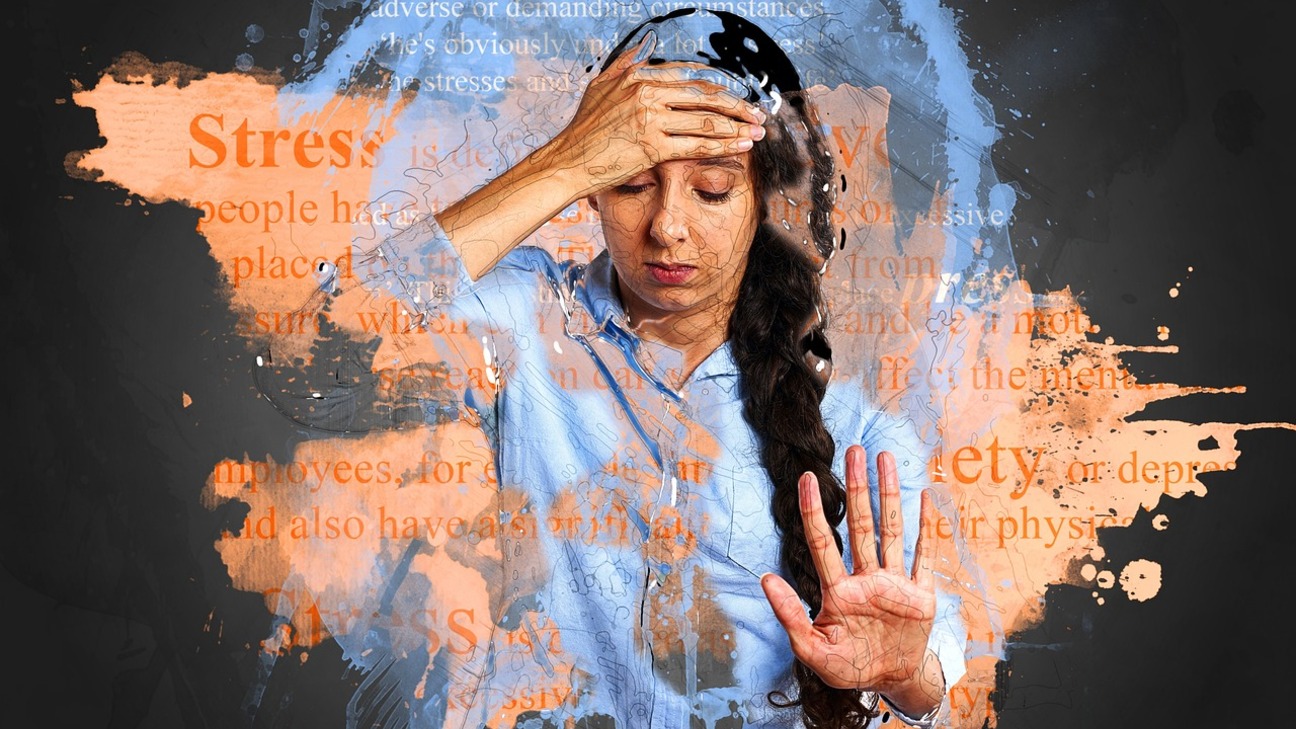
In a world where life’s challenges often test the limits of our mental resilience, the impact of trauma cannot be understated. Post-Traumatic Stress Disorder (PTSD) is a condition that casts a long shadow over the lives of those who have experienced traumatic events.
Research suggests that PTSD impacts approximately 7-8% of the general population, with women appearing to be more susceptible than men (1
National Institute of Mental Health
Governmental authority
Go to source ).
While it’s natural to associate trauma with physical injuries, the emotional scars left by distressing incidents can be just as profound, if not more. In this comprehensive guide, we will delve into the depths of PTSD, exploring its causes, symptoms, effects on health, available treatments, and strategies for coping and healing.
Unveiling the Layers of PTSD
1. Defining PTSD
Post-Traumatic Stress Disorder, commonly referred to as PTSD, is a mental health condition that develops after a person has experienced or witnessed a traumatic event. This event could be anything from a life-threatening accident, physical or sexual assault, combat experience, natural disaster, or the sudden loss of a loved one. What distinguishes PTSD from a normal reaction to stress is the persistence of its symptoms, often lasting for months or even years after the traumatic incident.
2. The Neurobiology of Trauma
To comprehend the profound impact of PTSD, it’s crucial to understand its neurobiological underpinnings. When a person experiences trauma, the body’s “fight or flight” response is activated, releasing stress hormones like adrenaline and cortisol. In cases of PTSD, this stress response becomes chronically disrupted, affecting brain structures such as the amygdala and prefrontal cortex. The result is an exaggerated emotional response to triggers that remind the individual of the traumatic event.
Walking Through the Shadows: Symptoms and Effects
1. Symptoms of PTSD
The symptoms of PTSD can be categorized into four clusters:
- Re-experiencing Symptoms: This includes intrusive thoughts, nightmares, flashbacks, and intense emotional and physical reactions when exposed to reminders of the trauma.
- Avoidance Symptoms: Individuals with PTSD often avoid places, people, activities, or situations that remind them of the trauma. They might also experience emotional numbness and a diminished interest in activities they once enjoyed.
- Cognitive and Mood Symptoms: Negative thoughts about oneself and the world, distorted blame or guilt, feelings of detachment, and an inability to experience positive emotions are common cognitive and mood-related symptoms.
- Arousal and Reactivity Symptoms: This category involves heightened anxiety, irritability, difficulty concentrating, insomnia, and an exaggerated startle response.
2. The Ripple Effect on Health
The ramifications of PTSD extend beyond mental distress. The chronic activation of the stress response can have detrimental effects on physical health. The excessive release of stress hormones can lead to cardiovascular problems, weakened immune function, gastrointestinal issues, and even chronic pain. Moreover, individuals with PTSD are at an increased risk of developing substance abuse disorders as a means of coping with their emotional pain.
Illuminating the Path to Recovery
1. Seeking Professional Help
Recovery from PTSD is possible, and seeking professional help is often the crucial first step. Mental health professionals well-versed in trauma treatment can employ various therapeutic approaches to facilitate healing. Cognitive Behavioral Therapy (CBT), Eye Movement Desensitization and Reprocessing (EMDR), and exposure therapy are among the evidence-based treatments that have shown promising results.
2. The Role of Medication
In some cases, medication can be an integral part of the treatment plan for PTSD. Antidepressants and anti-anxiety medications are commonly prescribed to alleviate the debilitating symptoms. However, it’s important to note that while medication can provide relief, it’s often most effective when combined with psychotherapy.
3. Self-Help and Coping Strategies
Empowerment on the path to recovery can also come from within. Incorporating self-help strategies into one’s routine can make a significant difference. Practices like mindfulness meditation, yoga, journaling, and engaging in creative outlets can help individuals manage their symptoms and regain a sense of control over their lives.
Nurturing Resilience and Healing
1. Building a Supportive Network
The journey to healing is rarely one that should be undertaken alone. A strong support network can provide a buffer against the challenges of PTSD. Friends, family, support groups, and online communities can offer understanding, validation, and a safe space for sharing experiences.
2. Embracing Post-Traumatic Growth
While the pain of trauma is undeniable, some individuals emerge from their experiences with a newfound sense of resilience and personal growth. Post-traumatic growth involves harnessing the trauma as a catalyst for positive change, leading to a deeper appreciation for life, enhanced relationships, and a stronger sense of self.
The Light at the End of the Tunnel
In a world that sometimes feels overwhelmingly chaotic, understanding the impact of PTSD is a crucial step towards empathy and support. Whether you or someone you know has experienced trauma, it’s important to recognize that healing is possible. Through professional guidance, self-care practices, and the strength of human connections, the shadows of PTSD can eventually be illuminated by the light of resilience and healing.
Remember, seeking help is a sign of strength, and each step taken on the path to recovery is a triumph over the darkness that trauma can cast.