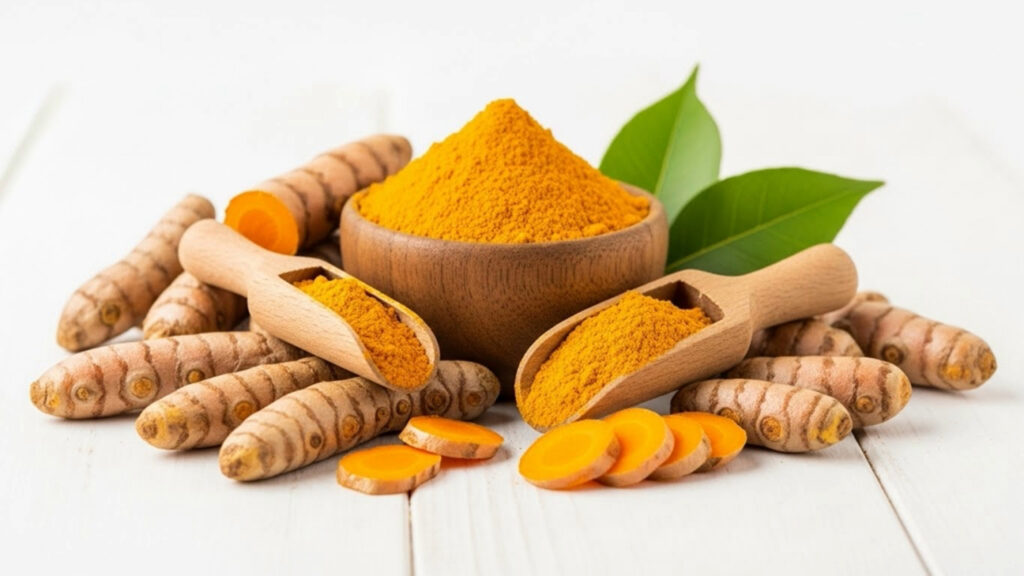
When it comes to treating indigestion, many people turn to over-the-counter medications like omeprazole. However, recent research suggests that a natural remedy found in your spice cabinet might be just as effective. Turmeric, known for its vibrant color and culinary uses, has shown promising results in alleviating indigestion symptoms comparable to those of omeprazole. Let’s delve into this exciting discovery and explore the potential of turmeric as a natural alternative for indigestion treatment.
Turmeric and Indigestion: What’s the Link?
Indigestion, characterized by symptoms like heartburn, bloating, and stomach discomfort, is a common ailment that can significantly impact daily life. While traditional over-the-counter medications are often used to manage these symptoms, an intriguing natural alternative has emerged: turmeric. Let’s explore the link between turmeric and indigestion to understand how this vibrant spice may offer relief.
- Anti-Inflammatory Properties: One of the key factors contributing to indigestion is inflammation in the digestive system. Turmeric contains a compound called curcumin, which possesses potent anti-inflammatory properties. By reducing inflammation in the digestive tract, turmeric may help alleviate symptoms associated with indigestion.
- Improved Digestive Function: Turmeric has long been used in traditional medicine to support digestion. It stimulates the production of bile, a substance that aids in the breakdown of fats and enhances the absorption of nutrients. By promoting optimal digestive function, turmeric may help prevent or reduce indigestion symptoms.
- Reduction of Acid Reflux: Acid reflux, a common cause of indigestion, occurs when stomach acid flows back up into the esophagus, causing a burning sensation and discomfort. Studies have suggested that curcumin in turmeric may help reduce the production of excess stomach acid and inhibit the activity of enzymes that contribute to acid reflux, providing relief from related symptoms.
- Antioxidant Effects: Turmeric’s curcumin is also known for its antioxidant properties. Antioxidants help neutralize harmful free radicals in the body, reducing oxidative stress and inflammation. By combating oxidative damage in the digestive system, turmeric may offer protection and relief from indigestion symptoms.
- Enhanced Gut Health: Maintaining a healthy gut is essential for optimal digestion and overall well-being. Turmeric has been found to support gut health by promoting the growth of beneficial gut bacteria and reducing gut inflammation. A healthy gut environment can contribute to improved digestion and reduced indigestion symptoms.
- Finding the Right Formulation: While incorporating turmeric into your diet or using it as a spice in cooking can provide some benefits, it’s important to note that curcumin’s bioavailability is relatively low. To maximize its potential, consider consuming turmeric in supplement form or using a concentrated curcumin extract that enhances absorption. Combining turmeric with black pepper, which contains piperine, can also enhance curcumin absorption.
- Precautions and Consultation: While turmeric is generally considered safe for most people, it’s important to exercise caution, especially if you have underlying health conditions or are taking certain medications. Turmeric may interact with blood-thinning medications and affect gallbladder function. It’s advisable to consult with a healthcare professional before adding turmeric supplements or significantly increasing turmeric intake, particularly if you have specific medical concerns.
In conclusion, turmeric’s anti-inflammatory, digestive support, and antioxidant properties make it a promising natural option for managing indigestion symptoms. By incorporating turmeric into your routine and considering its potential benefits, you may find relief from indigestion and support your overall digestive health. However, individual experiences may vary, and it’s crucial to seek personalized medical advice for a comprehensive approach to managing indigestion.
Pros and Cons of Turmeric for Indigestion Relief
Turmeric has gained considerable attention as a potential natural remedy for indigestion relief. While it offers several benefits, it’s essential to consider both the pros and cons before incorporating turmeric into your indigestion management routine. Here are some key points to consider:
Pros:
- Anti-inflammatory Properties: Turmeric contains curcumin, a compound known for its potent anti-inflammatory effects. By reducing inflammation in the digestive system, turmeric may help alleviate indigestion symptoms and promote overall gut health.
- Digestive Support: Turmeric has traditionally been used to support digestion. It stimulates bile production, aids in fat breakdown, and enhances nutrient absorption. These digestive properties may contribute to reduced indigestion symptoms.
- Potential Reduction of Acid Reflux: Curcumin in turmeric has been studied for its ability to reduce excess stomach acid production and inhibit the enzymes responsible for acid reflux. This may provide relief from heartburn and related symptoms.
- Antioxidant Benefits: Turmeric’s curcumin acts as a powerful antioxidant, neutralizing harmful free radicals and reducing oxidative stress. By combating inflammation and oxidative damage in the digestive system, turmeric may contribute to improved indigestion symptoms.
- Promotion of Gut Health: Turmeric has shown promise in supporting a healthy gut environment. It can help promote the growth of beneficial gut bacteria while reducing gut inflammation. A healthy gut is crucial for optimal digestion and may help alleviate indigestion symptoms.
Cons:
- Limited Bioavailability: Curcumin, the active compound in turmeric, has low bioavailability, meaning the body may have difficulty absorbing and utilizing it effectively. To overcome this, it may be necessary to consume turmeric in supplement form or combined with black pepper or fats to enhance absorption.
- Varied Results: While some individuals may experience significant relief from indigestion symptoms with turmeric, others may not find it as effective. The effectiveness of turmeric for indigestion relief can vary depending on the individual’s specific condition and response to the spice.
- Potential Side Effects: Turmeric is generally considered safe for most people when consumed in moderation. However, some individuals may experience side effects such as gastrointestinal discomfort, diarrhea, or allergic reactions. It’s important to start with small doses and monitor your body’s response.
- Interactions with Medications: Turmeric may interact with certain medications, particularly blood-thinning medications like warfarin. It’s crucial to consult with a healthcare professional if you are taking medications to ensure there are no potential adverse interactions.
- Not a Standalone Solution: Turmeric should not be seen as a standalone solution for indigestion relief. It can be a complementary approach, but it’s important to adopt a comprehensive strategy that includes lifestyle modifications, dietary changes, and consulting with a healthcare professional for personalized guidance.
How to Safely Increase Your Turmeric Intake
If you’re considering incorporating turmeric into your routine for its potential health benefits, including indigestion relief, it’s important to do so safely and effectively. Here are some tips to help you increase your turmeric intake in a safe and manageable way:
- Start with Small Amounts: Begin by introducing turmeric into your diet in small amounts. This allows your body to adjust and helps you gauge your tolerance and response to it. You can sprinkle a pinch of turmeric powder onto your meals or add it to smoothies, soups, or salad dressings.
- Choose High-Quality Turmeric: Look for high-quality turmeric powder or fresh turmeric roots. Opt for organic options whenever possible to minimize exposure to pesticides and ensure a higher concentration of beneficial compounds.
- Combine with Black Pepper: Black pepper contains piperine, a compound that enhances the absorption of curcumin, the active component in turmeric. Consider adding a pinch of black pepper to your turmeric-containing dishes or consuming turmeric supplements formulated with black pepper extract.
- Pair with Healthy Fats: Curcumin is fat-soluble, meaning it is better absorbed when consumed alongside healthy fats. Consider cooking with a small amount of healthy oils like olive oil, coconut oil, or ghee when preparing turmeric-rich meals.
- Consider Turmeric Supplements: Turmeric supplements can provide a standardized dosage of curcumin and are an option for those who prefer a more concentrated form. Look for reputable brands that use high-quality ingredients and follow recommended dosage guidelines. Consult with a healthcare professional before starting any new supplement regimen.
- Monitor Your Body’s Response: Pay attention to how your body responds to increased turmeric intake. If you experience any adverse effects, such as gastrointestinal discomfort or allergic reactions, reduce your consumption or discontinue use. Everyone’s body is unique, so it’s important to listen to your own and adjust accordingly.
- Consult with a Healthcare Professional: If you have any underlying health conditions, are pregnant or breastfeeding, or are taking medications, it’s crucial to consult with a healthcare professional before significantly increasing your turmeric intake. They can provide personalized advice based on your specific circumstances and potential interactions with medications.
- Diversify Your Approach: While turmeric can be beneficial, it’s important to remember that it is not a magical solution for all health concerns. Incorporate turmeric as part of a balanced diet and a comprehensive approach to overall wellness, including regular exercise, stress management, and a varied nutrient-rich diet.
Remember, moderation and consistency are key when incorporating any new dietary element. By gradually increasing your turmeric intake while considering the tips mentioned above, you can safely explore the potential benefits of this vibrant spice for indigestion relief and overall well-being.
Takeaway
When it comes to using turmeric for indigestion relief, it’s important to approach it safely and with realistic expectations. Turmeric’s anti-inflammatory properties, digestive support, and antioxidant effects make it a promising natural option. However, individual experiences can vary, and it’s crucial to consult with a healthcare professional, start with small amounts, and monitor your body’s response. Incorporating turmeric as part of a comprehensive approach to managing indigestion, including lifestyle modifications, can lead to potential benefits and improved digestive health.