
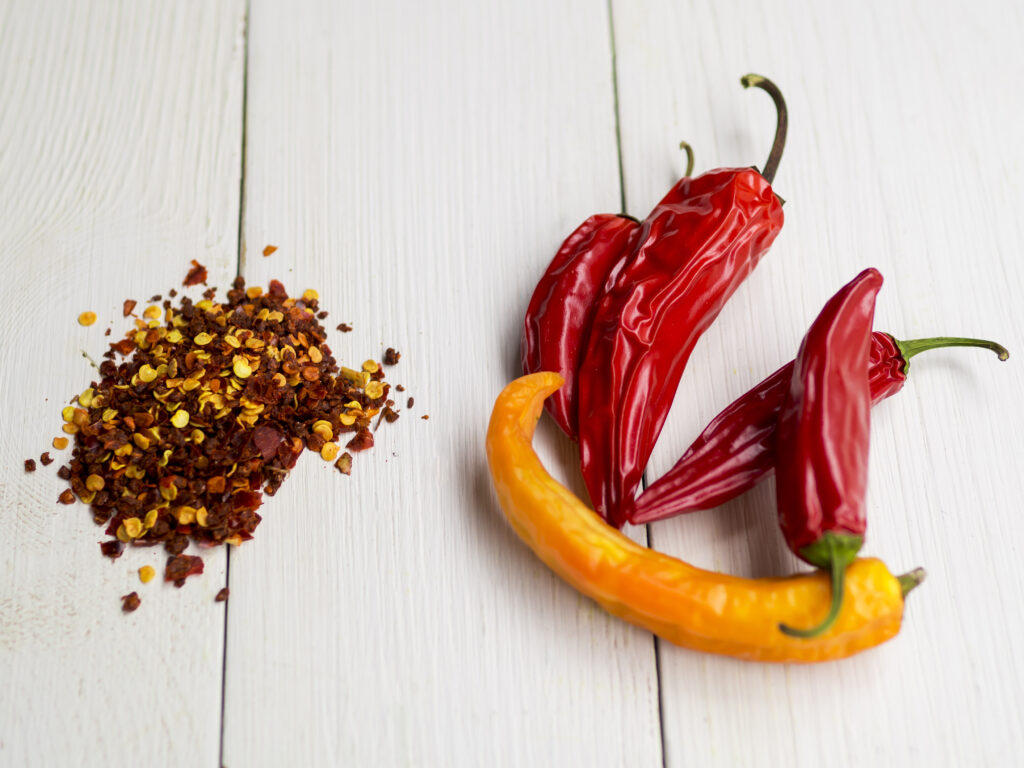
Are you on a weight loss journey and looking for natural ways to support your efforts? Cayenne pepper, with its fiery reputation, has gained attention as a potential aid in shedding those extra pounds. Let’s explore whether this spice can truly help you in your weight loss endeavors.
What the Research Says
Research (1
PubMed Central
Highly respected database from the National Institutes of Health
Go to source ) on the potential weight loss benefits of cayenne pepper and its active compound, capsaicin, is still evolving. While some studies suggest positive effects, it’s important to note that more research is needed to draw definitive conclusions. Here’s an overview of the current scientific findings:
- Metabolism and Calorie Burning: Several studies have shown that consuming capsaicin may lead to a slight increase in metabolism and energy expenditure. However, the overall impact on weight loss is considered modest. The effects may vary among individuals, and long-term studies are needed to determine the sustained metabolic benefits.
- Appetite Control: Capsaicin has been linked to appetite suppression and increased feelings of fullness. Research suggests that it may reduce hunger and decrease calorie intake, which could support weight management efforts. Nevertheless, the precise mechanisms and long-term effects require further investigation.
- Fat Oxidation: Some studies have indicated that capsaicin can enhance the breakdown of fats for energy, potentially increasing fat oxidation during exercise. However, the magnitude of this effect and its impact on weight loss in real-world scenarios are still being explored.
- Insulin Sensitivity: Initial research suggests that capsaicin may improve insulin sensitivity, which is important for maintaining healthy blood sugar levels and weight management. However, more in-depth studies are required to fully understand the extent of this effect and its practical implications.
It’s worth noting that most studies investigating the weight loss potential of cayenne pepper have been conducted on a small scale or using animal models. Human studies with larger sample sizes and longer durations are needed to validate these findings and determine the optimal dosage and duration of cayenne pepper supplementation.
Additionally, incorporating cayenne pepper into your diet alone is unlikely to result in significant weight loss. It should be part of an overall healthy eating plan that includes a calorie-controlled diet and regular physical activity.
As with any dietary change or supplementation, it’s essential to consult with a healthcare professional or registered dietitian before making significant adjustments to your diet, especially if you have underlying health conditions or take medications.
How Cayenne Peppers Are Beneficial to Overall Health
Beyond their potential role in weight management, cayenne peppers offer various benefits for overall health. Here are some ways in which consuming cayenne peppers can positively impact your well-being:
- Anti-Inflammatory Properties: Cayenne peppers contain capsaicin, which exhibits anti-inflammatory properties. It may help reduce inflammation in the body, potentially benefiting conditions such as arthritis and other inflammatory diseases.
- Pain Relief: Capsaicin found in cayenne peppers has been used in topical creams and ointments for its analgesic properties. It can help alleviate pain associated with conditions like osteoarthritis, fibromyalgia, and nerve pain.
- Cardiovascular Health: Cayenne peppers may promote heart health. Capsaicin has been shown to lower blood pressure by promoting vasodilation, improving blood flow, and reducing the risk of cardiovascular diseases.
- Improved Digestion: Cayenne peppers have a long history of use as a digestive aid. They can stimulate the production of digestive enzymes, enhance gastric motility, and support overall digestive health.
- Enhanced Circulation: The heat generated by cayenne peppers can improve blood circulation and promote healthier blood vessels. It aids in maintaining optimal blood flow and delivering nutrients throughout the body.
- Antioxidant Benefits: Cayenne peppers are rich in antioxidants, including vitamins A and C. These antioxidants help neutralize harmful free radicals, protecting cells from oxidative damage and reducing the risk of chronic diseases.
- Sinus and Congestion Relief: Cayenne peppers can provide relief from nasal congestion and sinus discomfort. The heat from capsaicin can help clear nasal passages and promote sinus drainage.
- Potential Cancer-Fighting Properties: Some studies suggest that capsaicin found in cayenne peppers may possess anti-cancer properties. It has demonstrated potential in inhibiting the growth of cancer cells and inducing apoptosis (cell death) in certain types of cancer.
- Weight Management: As mentioned earlier, cayenne peppers may aid in weight management through increased metabolism, appetite suppression, and enhanced fat oxidation.
It’s important to note that individual responses to cayenne peppers may vary, and excessive consumption can cause discomfort or digestive issues in some individuals. Moderation is key, and it’s always best to consult with a healthcare professional if you have specific health concerns or dietary restrictions.
Incorporating cayenne peppers into your diet can add a flavorful and beneficial component to your meals. However, it’s essential to maintain a balanced diet, exercise regularly, and adopt a holistic approach to overall health and well-being.
How to Add Cayenne Pepper to Your Diet
Incorporating cayenne pepper into your diet is a simple and flavorful way to enjoy its potential health benefits. Here are some tips on how to add cayenne pepper to your meals and recipes:
- Start Small: If you’re new to cayenne pepper, begin with small amounts and gradually increase the quantity to gauge your tolerance for spiciness. This will allow you to adjust the heat level according to your preference.
- Spice Up Savory Dishes: Cayenne pepper pairs well with various savory dishes. Add a pinch or two to soups, stews, chili, curries, sauces, and marinades to give them a spicy kick. It can also be sprinkled over roasted vegetables, grilled meats, or scrambled eggs for added flavor.
- Create Custom Spice Blends: Mix cayenne pepper with other herbs and spices to create your own custom spice blends. Experiment with combinations like chili powder, cumin, garlic powder, and paprika to create unique flavors for meat rubs or seasoning blends.
- Spice Up Your Snacks: Sprinkle a dash of cayenne pepper on popcorn, roasted nuts, or homemade kale chips for a spicy twist. You can also add it to homemade trail mix or sprinkle it over avocado toast for an extra kick.
- Spice-infused Oils and Vinegars: Infuse olive oil or apple cider vinegar with cayenne pepper by adding a few pepper flakes to the bottle. Let it sit for a few days to infuse the flavor, then use the oil or vinegar in dressings, marinades, or as a flavorful drizzle on salads or grilled vegetables.
- Spicy Beverages: If you enjoy some heat in your beverages, cayenne pepper can be added to warm lemon water, herbal teas, or even fruit smoothies for a spicy twist. Start with a small pinch and adjust according to your taste.
- Be Mindful of Spiciness: Remember that cayenne pepper can be very hot, and its spiciness can vary between different brands or varieties. Pay attention to the level of heat and adjust accordingly to avoid overpowering your dish.
- Consider Capsaicin Supplements: If you’re not fond of the taste or spiciness of cayenne pepper, you can explore capsaicin supplements available in capsule form. However, consult with a healthcare professional before starting any new dietary supplements.
As with any dietary change, it’s important to listen to your body and make adjustments based on your preferences and tolerance. If you have any specific dietary restrictions or health concerns, consult with a healthcare professional or registered dietitian to determine the best approach for incorporating cayenne pepper into your diet.
Spice up your meals and enjoy the flavorful benefits of cayenne pepper as you explore its versatility in various recipes and dishes.
Who Shouldn’t Take Cayenne Pepper
While cayenne pepper is generally considered safe for most individuals, there are certain situations or conditions in which caution should be exercised or its consumption should be avoided. Here are some instances where individuals may need to refrain from or limit their intake of cayenne pepper:
- Gastrointestinal Disorders: Cayenne pepper can be irritating to the digestive system, particularly for individuals with conditions such as gastroesophageal reflux disease (GERD), gastritis, or peptic ulcers. It may exacerbate symptoms like heartburn, stomach pain, or indigestion. If you have any gastrointestinal disorders, it’s advisable to consult with a healthcare professional before adding cayenne pepper to your diet.
- Allergies or Sensitivities: Some individuals may be allergic or hypersensitive to cayenne pepper or related spices from the Capsicum family. Allergic reactions can range from mild symptoms like skin rashes or itching to more severe reactions like difficulty breathing or anaphylaxis. If you have known allergies or sensitivities to peppers or spicy foods, it’s best to avoid cayenne pepper or use it with caution under medical supervision.
- Medication Interactions: Cayenne pepper may interact with certain medications. It can potentially interfere with blood-thinning medications like warfarin or antiplatelet drugs, leading to increased bleeding risk. Additionally, it may affect the metabolism of certain medications, so it’s important to consult with a healthcare professional if you’re taking any prescription medications to ensure there are no potential interactions.
- Pregnancy and Breastfeeding: Limited information is available regarding the safety of cayenne pepper consumption during pregnancy and breastfeeding. It’s recommended to exercise caution and consult with a healthcare professional before adding cayenne pepper to your diet during these periods.
- Pre-existing Medical Conditions: Individuals with pre-existing medical conditions such as kidney disease, liver disease, or heart conditions should exercise caution when consuming cayenne pepper. The spice may have varying effects on these conditions, and it’s best to seek medical advice before incorporating it into your diet.
- Surgery: Cayenne pepper’s potential blood-thinning properties may increase the risk of bleeding during and after surgery. It’s advisable to stop consuming cayenne pepper at least two weeks before any scheduled surgical procedures to reduce the risk of complications.
Outlook
Cayenne pepper has gained popularity not only as a spice to add heat and flavor to dishes but also for its potential health benefits. Here’s an overview of the outlook for cayenne pepper:
- Culinary Use: Cayenne pepper will continue to be widely used in culinary applications due to its distinct spicy flavor and versatility. It adds a fiery kick to various dishes, such as soups, stews, sauces, and marinades. Its popularity in international cuisines, including Mexican, Indian, and Thai, is expected to persist.
- Health Benefits: Cayenne pepper has been associated with several potential health benefits, primarily due to its active component called capsaicin. Capsaicin is believed to have anti-inflammatory, analgesic (pain-relieving), and antioxidant properties. It may also help boost metabolism, aid digestion, and support cardiovascular health. Ongoing research is exploring its potential in various health areas, including weight management, pain relief, and digestive disorders.
- Natural Remedies: Cayenne pepper is a common ingredient in natural remedies and traditional medicine practices. It is often used topically in creams or ointments for its warming and pain-relieving effects. Its potential benefits for conditions like arthritis, muscle pain, and neuropathic pain continue to be studied.
- Capsaicin Supplements: Capsaicin supplements, derived from cayenne pepper, are available in capsule form. These supplements aim to provide the potential health benefits of capsaicin in a concentrated and controlled manner. The use of capsaicin supplements may gain further attention as more research emerges on their efficacy and safety.
- Personalized Nutrition: As interest in personalized nutrition grows, cayenne pepper may find its place in individualized dietary plans. Its potential effects on metabolism, satiety, and weight management may be incorporated into personalized recommendations for individuals seeking to achieve specific health and wellness goals.
- Continued Research: Scientific research on the health effects of cayenne pepper and its active components, such as capsaicin, is ongoing. As the understanding of its mechanisms of action and potential benefits deepens, more conclusive evidence may emerge regarding its impact on various health conditions.
While cayenne pepper has a promising outlook, it’s essential to note that individual responses may vary, and it may not be suitable for everyone. It’s advisable to consult with a healthcare professional before making significant changes to your diet or incorporating cayenne pepper for its potential health benefits, especially if you have specific health conditions, allergies, or are taking medications.





I’ve been exploring for a bit for any high-quality articles or blog posts on this sort of area . Exploring in Yahoo I at last stumbled upon this site. Reading this info So i’m happy to convey that I have an incredibly good uncanny feeling I discovered exactly what I needed. I most certainly will make certain to don’t forget this web site and give it a look regularly.